Last checked: November 1, 2026
A Korean shampoo that says it helps with hair loss is a cosmetic, not a medicine, and the box has to tell you so. I’d keep that in mind on the hair-care aisle, look at the scalp scrubs and treatments first, and put the big bottles in your checked bag.
Korea’s rules on this changed in 2017, and the ministry still flags hair-loss ads that go too far.
Quick answer
- 🛍️ Look for: 기능성화장품 (word or symbol) on any “hair-loss” shampoo
- 🧳 Packing: full sizes in your checked bag, within your airline’s rules
- ✅ Worth it if: you’d like to try a scalp scrub or a hair treatment
What does “hair-loss” mean on a Korean shampoo?
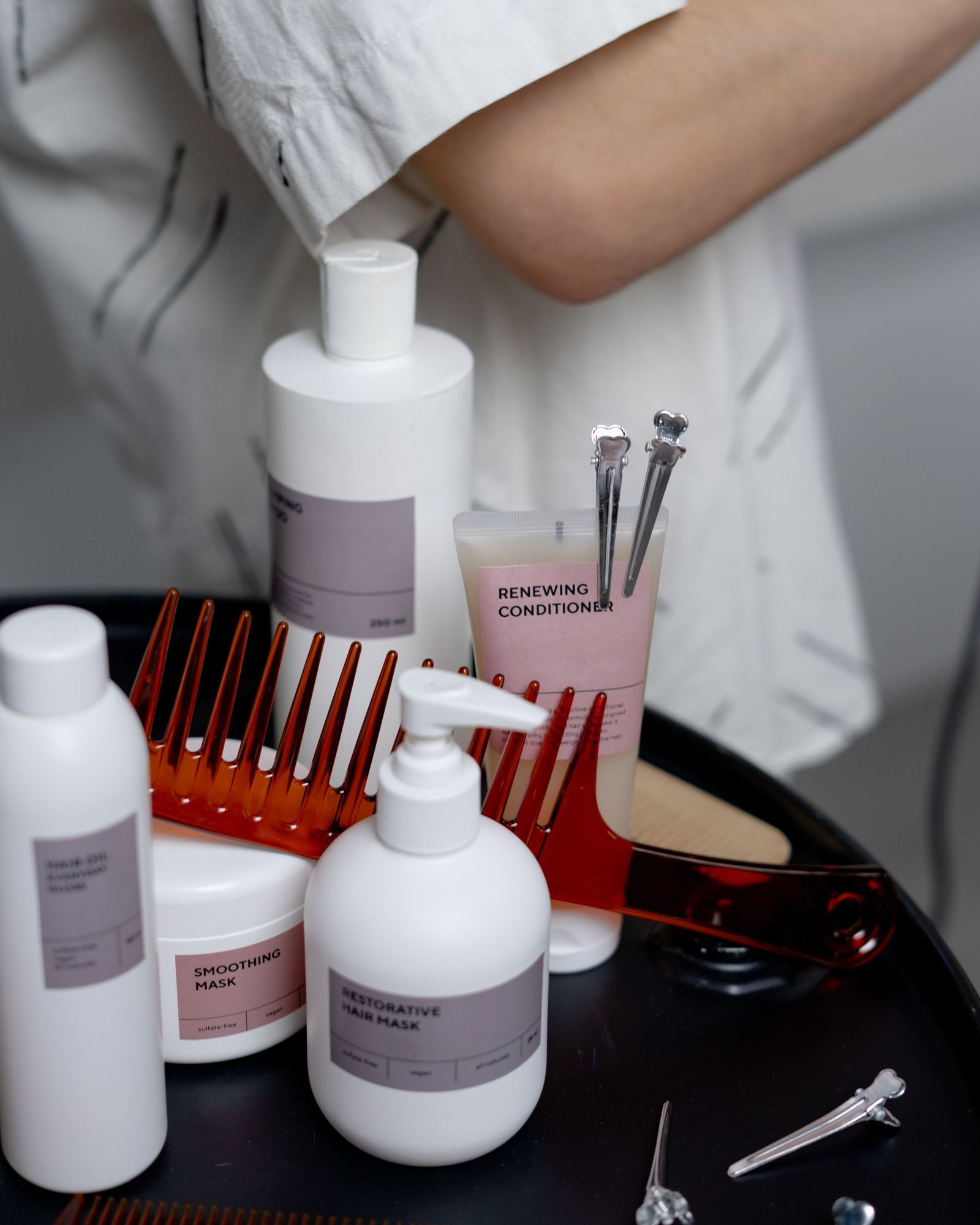
Since May 2017, shampoos that claim to help relieve hair-loss symptoms have been sold in Korea as functional cosmetics (기능성화장품). Before that, they were quasi-drugs. Korean news reports quote the Ministry of Food and Drug Safety saying these shampoos only help relieve symptoms and are fundamentally different from medicines that prevent or treat hair loss.
The box has to carry a line saying the product is not a medicine for preventing or treating disease. In Korean it reads 질병의 예방 및 치료를 위한 의약품이 아님. Seeing it tells you the product is sold as a cosmetic, not as a medicine.
The ministry also polices the ads. In 2024 it checked 151 online listings for hair-loss cosmetics, found 67 false or exaggerated, and asked for them to be blocked. A hair-loss claim is only allowed on a product that has gone through the ministry’s functional-cosmetic review or reporting process, so ordinary shampoos cannot use one.
The law lets the box show 기능성화장품 as a word or as a symbol set by the ministry. A “hair-loss” product with neither is one I’d put back.
⚠️ Heads-up
If you’re losing hair and it worries you, I’d see a doctor at home. The ministry treats these shampoos as cosmetics, and I’d buy them that way.
How to read the box
You don’t need to read Korean for this, just a few words. These are the ones I’d look for on a hair-care box.
| On the box | What it means |
|---|---|
| 기능성화장품 | Functional cosmetic, the ministry’s category for claims like hair-loss relief (the box may show a symbol instead) |
| 탈모 증상 완화 | Helps relieve hair-loss symptoms (the functional-cosmetic claim) |
| 두피 | Scalp |
| 손상모 | Damaged hair |
| 트리트먼트 | Treatment, a conditioner-type product |
I’d take a photo of the box if you want to look it up again later at your hotel, where it’s easier to read than under store lights. The same photo helps if you want to find the product again online after your trip.
In the store, I’d turn a “hair-loss” shampoo over and look for two things: 기능성화장품 (the word or the symbol) and the line about not being a medicine. If you find both, you know what kind of product you’re holding, and you can choose by scent, size, and price like any other shampoo.
Scalp care: scrubs and scaling shampoos
This is the part of Korean hair care I’d try first, and the prices are easy to compare. Aromatica’s rosemary line is one example, and its Korean shop lists the prices.
Its Rosemary Scalp Scaling Shampoo is 16,000 won for 180 ml, 26,000 won for 400 ml, and 42,000 won for 750 ml. The Rosemary Scalp Scrub, a salt-based scalp scrub, is 20,000 won for 165 g. Aromatica tags some of these “탈모케어” (hair-loss care) in its shop, but the tag is the brand’s own label, so I’d still check the box for the 기능성화장품 word or symbol.
The 180 ml shampoo is the one I’d buy to test, since it’s the cheapest way to try the scaling shampoo. If you like it, the 500 ml refill at 22,000 won is cheaper per ml than the 400 ml bottle.
The 750 ml bottle works out to 56 won per ml against 89 won for the 180 ml, so the big one only pays off once you know you like it. That is also the bottle you would have to fit in your checked bag.
For dry or damaged hair: treatments
Lador is the other brand I’d look at, for damaged hair rather than scalp care. Its Keratin LPP Shampoo is 19,500 won for 530 ml on the brand’s product page, and the matching Hydro LPP Treatment is the same price and size.
Lador also sells a hair fill-up ampoule, which the brand describes as care for badly damaged hair, at 23,000 won for 150 ml.
Yuna’s pick
Curious about scalp care: a scalp scrub or scaling shampoo, small size first.
Damaged hair: a treatment like Lador’s.
Worried about hair loss: see a doctor, and read the box before buying any “hair-loss” shampoo.
In March 2026, Olive Young said hair ampoules ranked among the most popular products with UK customers of its global online store in 2025.
Getting full-size bottles home
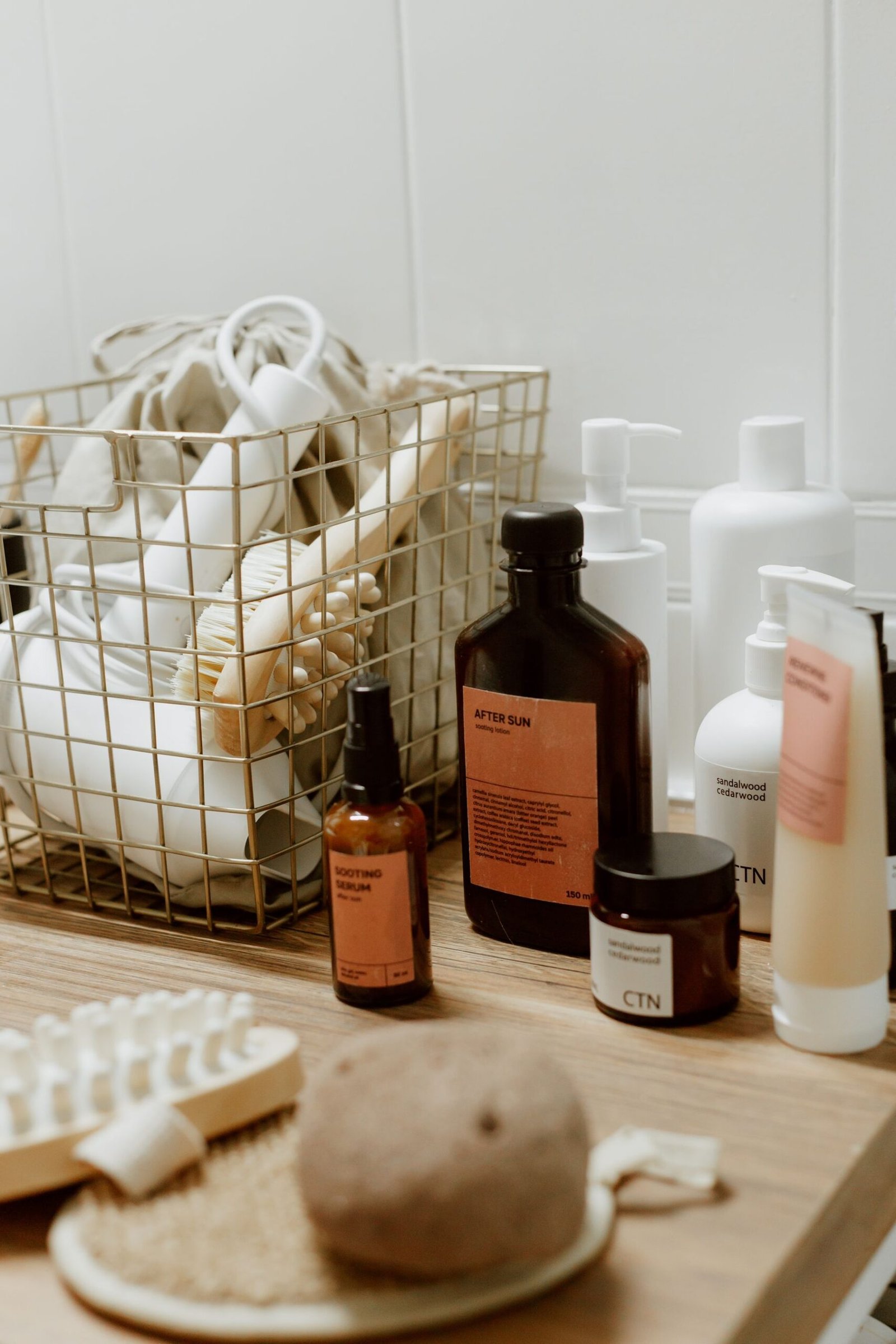
Every shampoo size above is over the carry-on limit. At Incheon, each liquid in your carry-on has to be in a container of 100 ml or less, judged by the size of the container, not by how much is left. A 400 ml shampoo cannot go in the cabin even if it is nearly empty.
Pack the big bottles in your checked bag. Incheon’s restricted-items page gives a checked-bag limit only for sprays: 500 ml per item and 2 L in total. Your airline may have its own rules, so check them too. I’d also put each bottle in a zip bag, in case a cap loosens on the way home.
If you’re flying with a carry-on only, I’d skip full-size hair care, or buy the smallest size and check that the container says 100 ml or less. I’d tape the caps shut and put each bottle in a zip bag, because a leak in a suitcase is hard to clean up.
Honest take
I’d skip the “hair-loss” shampoo unless you’ve read the box and know what it is. Scalp scrubs and damage treatments are easier buys, and Aromatica’s scaling shampoo comes in a 180 ml size you can test first.
FAQ
Will a Korean hair-loss shampoo stop hair loss?
The ministry’s own wording is that these shampoos only help relieve symptoms and are fundamentally different from medicines. For hair loss itself, I’d see a doctor.
Do I need a hair-loss shampoo to try Korean scalp care?
No. A scalp scrub can be an ordinary cosmetic with no hair-loss claim, and you can try scalp care that way. The 기능성화장품 label isn’t only for hair loss, though: the same category covers claims such as sun protection, whitening, and wrinkle care.
Are refill pouches worth it?
If you already like the product, yes. Aromatica’s 500 ml refill costs less than its 400 ml bottle, and a pouch packs flatter in a suitcase.
Is the shop price the same at Olive Young?
Not always. The prices above are from the brands’ own Korean shops, and Olive Young sets its own prices and discounts, so I’d compare on the shelf.
Read the box, start with a small size, and pack the big bottles in your checked bag. Aromatica’s prices were the ones on its shop on November 1, so if you see different ones, the Contact page reaches me.
Hwaiting!
Yuna
📌 Read next
- Korea Tax Refund for Tourists (2026): K-Beauty, Limits & Airport: get the tax back on a hair-care haul
- Incheon Airport to Seoul (2026): AREX, Limousine Bus or Taxi?: the airport, both ways
- Where to Stay in Seoul (2026): Best Areas for First-Timers: a base near the big stores
Sources and last check
How I put this guide together: from Korea’s Cosmetics Act and its enforcement rules, Korean news reports on the Ministry of Food and Drug Safety’s hair-loss shampoo rules, the brands’ own Korean shops, Olive Young’s March 2026 announcement, and Incheon Airport. I checked all of them on November 1, 2026. Prices are the brands’ listed prices on that day. No brand paid to be included, and none reviewed this guide. More on how I research every guide is on the About page.
Last checked: November 1, 2026. Prices and rules change, so please confirm before you buy. This is general information, not medical advice, and this guide isn’t affiliated with any brand or store.
Sources:
- Kyunghyang Shinmun: Hair-loss shampoo rules (September 2021, in Korean)
- Seoul Shinmun: Functional cosmetic hair-loss shampoos (July 2018, in Korean)
- Aromatica: Rosemary scalp line (in Korean)
- Lador: Keratin LPP Shampoo 530 ml (in Korean, price checked November 1, 2026)
- Lador: Hydro LPP Treatment 530 ml (in Korean, price checked November 1, 2026)
- Olive Young: Global online store sales by country (March 2026, in Korean)
- Incheon Airport: Restricted items (checked November 1, 2026)
- Incheon Airport: Restricted items FAQ (checked November 1, 2026)
- Daily Pharm: Hair-loss cosmetic ads flagged by the ministry (October 2024) (in Korean)
- Korea Law Information Center: Cosmetics Act, Article 10 (labeling) (in Korean, checked November 1, 2026)
- Korea Law Information Center: Enforcement Rule of the Cosmetics Act, Article 19 (package labeling) (in Korean, checked November 1, 2026)
- Korea Law Information Center: Enforcement Rule of the Cosmetics Act, Article 2 (functional cosmetic categories) (in Korean, checked November 1, 2026)
Cover image: Hair care products laid out flat.