
Last checked: November 1, 2026
On the brand pages below, each percentage refers to one ingredient, and it doesn’t always tell you how much of the bottle that ingredient is. I read the brands’ own pages to match each front-of-box name with the name on the ingredient list.
Quick answer
- 📍 Cica: Centella Asiatica Extract or Madecassoside on the label
- 🛍️ From animals: Snail Secretion Filtrate and Propolis Extract
- ✅ Front numbers: the brand’s own figure for one ingredient
What do the numbers on the front mean?
Each number below is the brand’s own figure for one ingredient. I’d read it as the brand’s claim, since the order on the back label alone won’t tell you the exact percentages.
| Product | The number | What the brand’s page says |
|---|---|---|
| COSRX Advanced Snail 96 Mucin Power Essence | 96 | 96.3% snail secretion filtrate |
| Anua Heartleaf 77% Soothing Toner | 77% | 77% heartleaf concentration |
Korean labeling rules set the order on the back. Ingredients go from the largest amount down, except anything used at 1% or less, plus fragrance and colorants, which can go in any order.
So the list tells you what’s in your bottle and which ingredients lead its formula. The order alone won’t give you exact percentages, and since each list is ranked within its own formula, it can’t tell you which of two products has more of something.
Cica: two label names from one plant

“Cica” is the skincare name for centella asiatica, a small creeping plant that’s also called gotu kola or Asiatic pennywort in English. In Korean it’s 병풀, and Korean Wikipedia gives a second nickname, 호랑이풀, which means “tiger grass.”
On a label you may see it as Centella Asiatica Extract or as Madecassoside, one of the compounds found in the plant. They are separate ingredients, and you might find one, the other, or both.
So if you’re comparing two cica products, I’d check which of the two names each list uses. Centella turns up in ampoules, creams, and sunscreens, so you can also pick the texture you like and look for the name on that.
Snail and propolis: the two from animals

On a label, snail mucin appears as Snail Secretion Filtrate. COSRX says its Advanced Snail 96 Mucin Power Essence contains 96.3% of it, that the product is not vegan, and that the snails are not harmed when the secretion is collected.
Propolis Extract comes from propolis, the resin bees collect and use in the hive. Beauty of Joseon’s Glow Serum is named for propolis and niacinamide, says it is fragrance-free, and suggests a patch test if you react to niacinamide.
Its ingredient list shows how the back label works. On the brand’s European page, the list starts with water, dipropylene glycol, glycerin, and butylene glycol, and propolis extract comes fifth, just ahead of niacinamide. I couldn’t find a percentage for either on that page.
If you avoid animal-derived ingredients, those are the two names to look for on this list. Whether a whole product is vegan depends on every ingredient, not just one, so I’d look for the brand’s own vegan statement rather than judging by the name on the front.
⚠️ Heads-up
If you’ve ever reacted to bee products, I’d skip propolis serums. For anything new, the American Academy of Dermatology suggests testing a small spot twice a day for 7 to 10 days.
Rice, ginseng, and mugwort
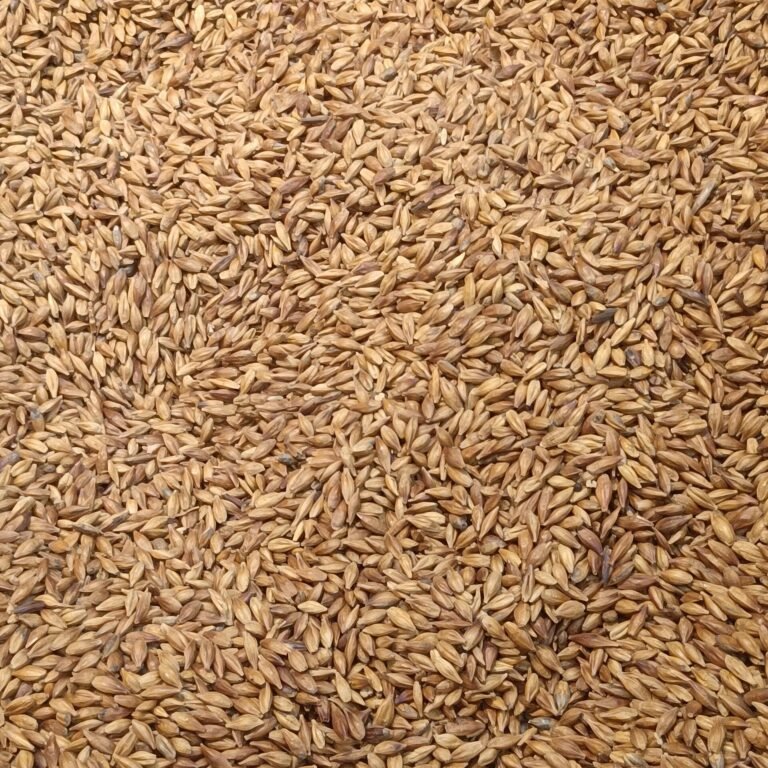
If you’re shopping for rice products, the two names I compared are not the same ingredient. Oryza Sativa Extract is an extract of rice, while Rice Ferment Filtrate (Sake) is a filtrate of fermented rice.
A box that just says “rice” on the front could contain either of these, or another rice ingredient, so if you’re comparing two rice toners, check which name each list uses.
Ginseng shows how a front number and a label name can differ. Ginseng can appear under more than one label name, so check the exact wording. Beauty of Joseon has described its Ginseng Essence Water as 80% ginseng root water. A root water and a root extract are different ingredients, so if you see 80% on that bottle, I would not read it as 80% ginseng extract.
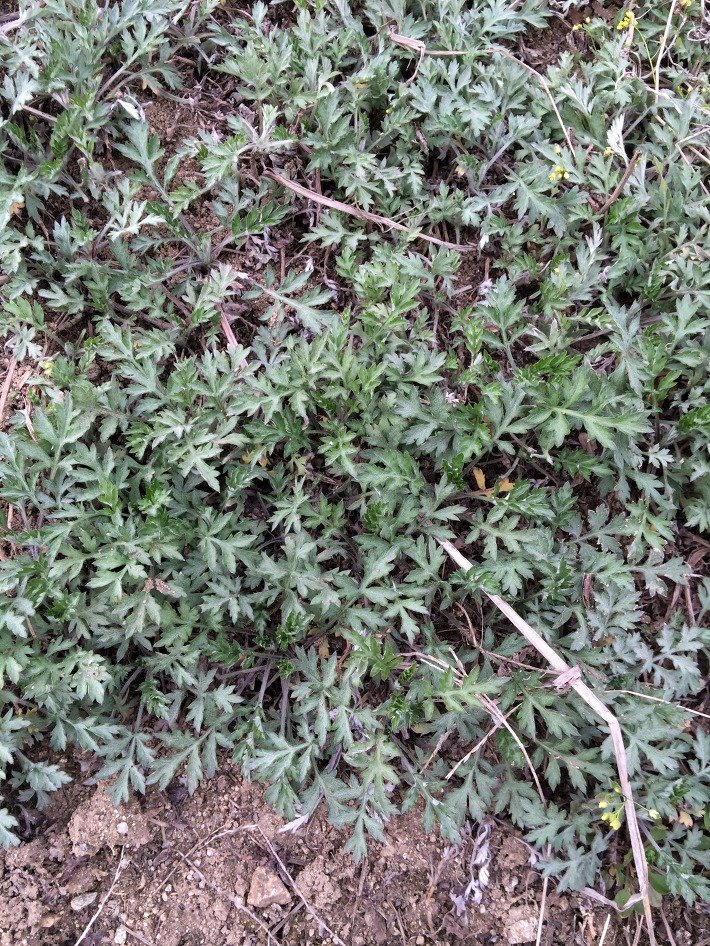
Mugwort products also use different label names, usually starting with Artemisia Princeps, the Korean species of the plant, so check the exact wording on your box. I’m From sells a Mugwort Essence, though you won’t find a percentage for it on the pages I checked.
Yuna’s pick
Comparing two cica products: check which of Centella Asiatica Extract and Madecassoside each one lists.
Avoiding animal-derived ingredients: skip Snail Secretion Filtrate and Propolis Extract, and look for the brand’s vegan statement.
Comparing rice toners: check which rice name is on each list.
Heartleaf: a number to read as a claim

Heartleaf is a plant called houttuynia, and its label names start with Houttuynia Cordata. Some products use an extract and others a water made from the plant, so check your own box rather than expecting one name. Its Korean name is 어성초. Anua says its toner has a 77% heartleaf concentration and compares that with 20 to 50% in other soothing toners.
That comparison is Anua’s own, and I didn’t find an outside check of it, so I wouldn’t choose between heartleaf toners on the 77% and the 20 to 50% alone. I’d decide on what the box does show, such as whether fragrance is on the list if it bothers you, plus the size and the price.
Brightening and wrinkle claims have their own rules
In Korea, products sold for brightening or wrinkle care are “functional cosmetics,” the same category as sunscreen. The Ministry of Food and Drug Safety’s English page lists them by type: brightening, wrinkle improvement, UV protection, and a few more.
Each product goes through the ministry’s review or its simpler reporting process before those claims go on a box. The report route is only for products that meet conditions set in the law, such as matching a standard the ministry has published. The ministry says reports are usually processed the same day.
Either way, the process covers the claim on the box, and it can’t tell you how a product will suit your skin.
Honest take
A number on the front tells you which ingredient the brand wants you to notice, and the order on the back won’t tell you exactly how much is in there. I’d use the back to see which name you’re getting, and whether snail or propolis is in it.
FAQ
What is INCI?
It stands for International Nomenclature of Cosmetic Ingredients, the standard names you see on labels in many countries. If you search the INCI name of an ingredient, rather than the brand’s nickname for it, you’ll find the same ingredient across brands.
Is “cica” the same in every product?
Not necessarily. A product sold as “cica” may list Centella Asiatica Extract, Madecassoside, or both, so check which one your list names.
Are these ingredients natural?
They come from plants, snails, or bees, but your bottle also contains water, preservatives, and other ingredients. I’d look at the whole list rather than the one ingredient on the front.
Turn the box over, check that the ingredient you came for is on the list under its label name, and look for the animal-derived ones if you avoid them. If a brand’s numbers or names have changed, tell me on the Contact page and I’ll check it.
Hwaiting!
Yuna
📌 Read next
- Korea Tax Refund for Tourists (2026): K-Beauty, Limits & Airport: get the tax back on your haul
- Where to Stay in Seoul (2026): Best Areas for First-Timers: a base near the big beauty stores
- Korean Etiquette for First-Time Visitors: Dos, Don’ts & Tipping: the shop and street manners that help
Sources and last check
How I put this guide together: from the brands’ own product pages, Korea’s Cosmetics Act and labeling rules, and the Ministry of Food and Drug Safety. I checked all of them on November 1, 2026. No brand paid to be included, and none reviewed this guide. More on how I research every guide is on the About page.
Last checked: November 1, 2026. Formulas and product names change, so please check the label before you buy. This is general information, not medical advice, and this guide isn’t affiliated with any brand.
Sources:
- COSRX: Advanced Snail 96 Mucin Power Essence
- Anua: Heartleaf 77 line guide
- Beauty of Joseon: Glow Serum (European page) (checked November 1, 2026)
- Beauty of Joseon: Ginseng Essence Water
- Korea Cosmetics Act Enforcement Rule, Annex 4: labeling (in Korean)
- American Academy of Dermatology: How to test skin care products
- Ministry of Food and Drug Safety: Functional cosmetics (checked November 1, 2026)
- Korea Law Information Center: Cosmetics Act, Article 4 (review or report) (in Korean, checked November 1, 2026)
- Korea Law Information Center: Enforcement Rule of the Cosmetics Act, Article 10 (when a report is enough) (in Korean, checked November 1, 2026)
- Korean Wikipedia: 병풀 (centella) (in Korean)
- Vegalab ingredient library: Centella asiatica (the “cica” name)
- Review record: madecassoside and other major compounds of Centella asiatica
Cover image: Skincare bottles with green leaves.




Leave a Reply