Tag: Seoul

  • Incheon Airport to Seoul (2026): AREX, Limousine Bus or Taxi?

    Incheon Airport to Seoul (2026): AREX, Limousine Bus or Taxi?

    Some links in this guide are affiliate links. If you book through them, Hello Korea Tips may earn a small commission at no extra cost to you.

    Last checked: October 31, 2026

    You’ve just landed, you’re tired, and the arrivals hall has signs for trains, buses, and taxis all at once. Don’t worry, you only need one of them. With light bags, I’d take the all-stop AREX train on a T-money card, the cheapest option here. Below, I’ll match the others to your luggage, group size, landing time, and hotel.

    Quick answer

    • 🚇 All-stop AREX: 59 minutes from T1 to Seoul Station, 4,750 won on T-money (not the Climate Card)
    • ⏱ AREX Express: 43 minutes from T1, nonstop to Seoul Station, 13,000 won
    • 🚌 Limousine bus: most routes 17,000 or 18,000 won, and I’d buy the ticket first
    • ✅ My default: the all-stop train, unless you have big bags, a group, or a late landing

    Times and fares here are from Terminal 1 unless I say otherwise; trains start at Terminal 2, so from there it’s a few minutes longer, and the all-stop train costs a bit more.

    First, which terminal did you land at?
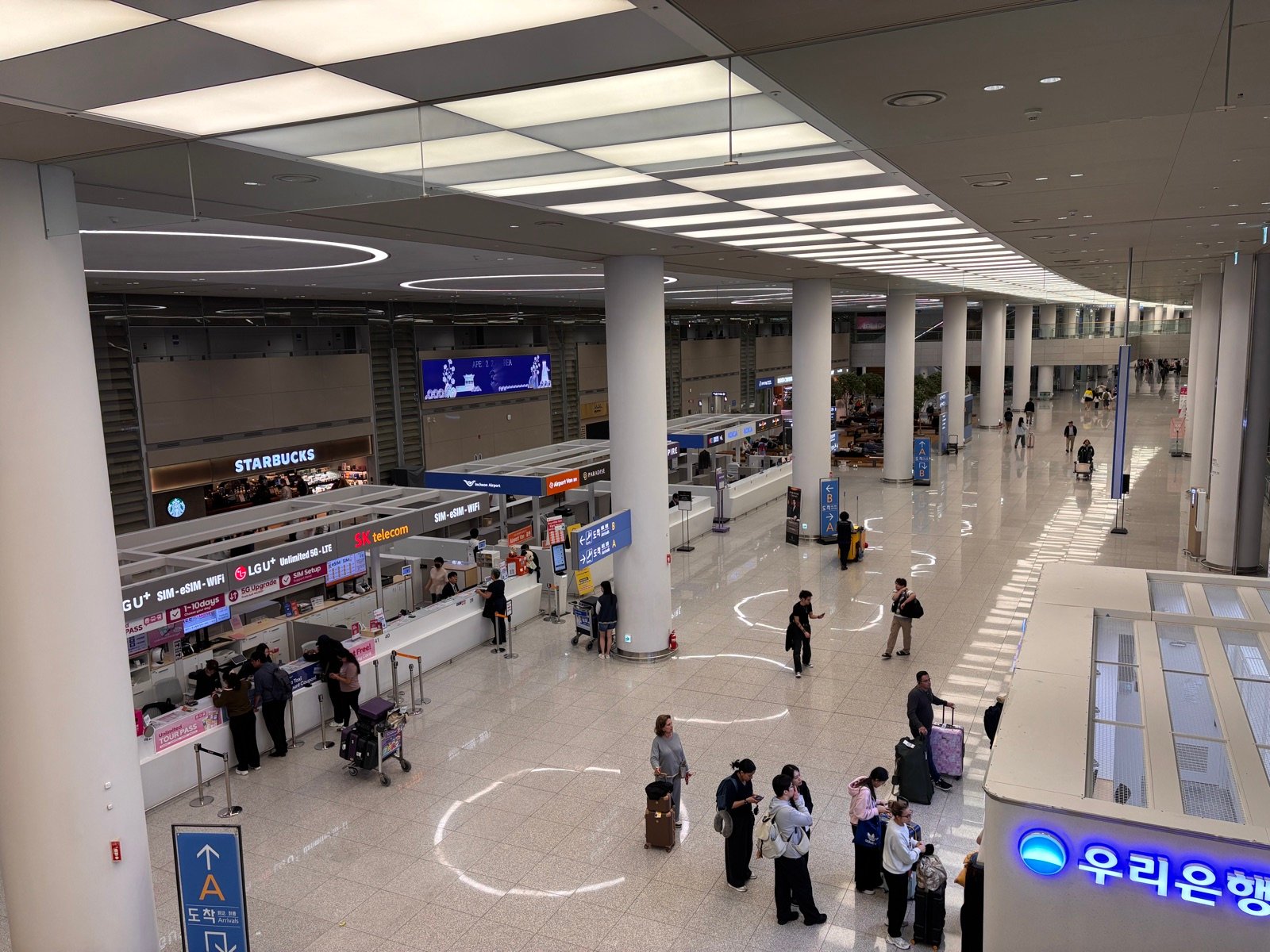
    Arrivals hall at Incheon Airport Terminal 2 with SIM card counters and an Arrivals A sign
    The arrivals hall at Terminal 2. Trains and buses are both one floor down.

    Incheon has two terminals, T1 and T2, and almost everything below depends on which one you’re in. Here’s where to head once you’re through the arrivals doors:

    • Terminal 1: trains leave from the Transportation Center, which you reach through B1. The platforms are further down, on B4. Buses to Seoul leave from outside exits 3 to 7 on the arrivals floor.
    • Terminal 2: trains and buses are both in the Transportation Center on B1. Seoul buses use stops 11 to 35 in the middle, and the train platforms are on B3.

    All-stop trains start at T2 and reach T1 six minutes later. Most buses work the same way: comparing the airport’s own timetables, I found they leave T2 first and T1 about 20 minutes after.

    One more thing before you book anything with a set time. The airport itself says to allow one to two hours after landing for immigration, and I’d plan on the longer end if you checked a bag.

    Train, bus, or taxi? Here’s how I’d choose
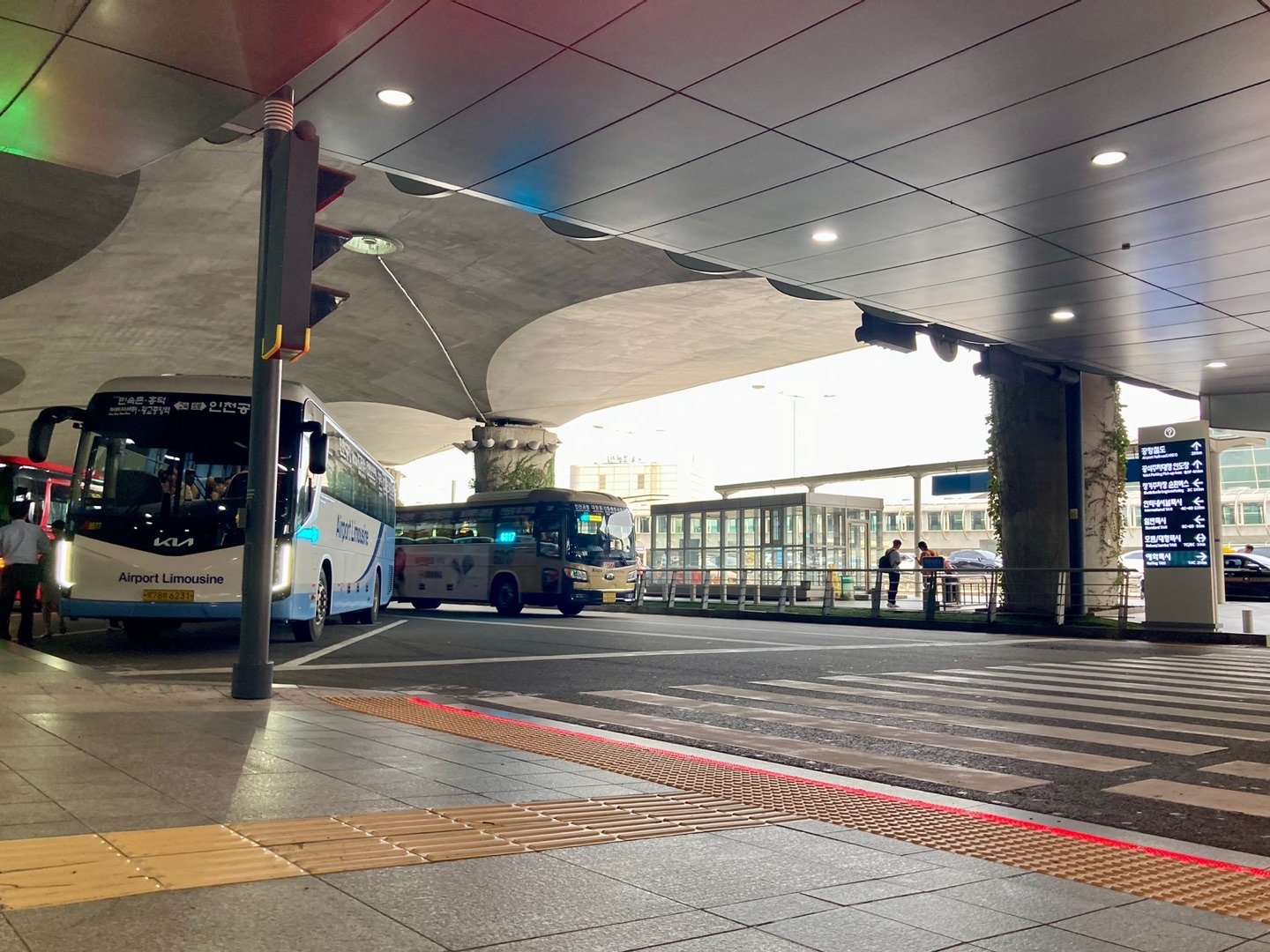
    A white Airport Limousine bus waiting at a covered bus stop at Incheon Airport Terminal 1
    A limousine bus stop at Terminal 1, with signs pointing to trains and taxis. Photo: Narubaru7, CC BY 4.0, via Wikimedia Commons

    I’d base it on four things: your bags, your group size, when you land, and where you’re sleeping.

    The hotel question settles most of it. The all-stop train drops you right at Seoul Station, Gongdeok, Hongik Univ., or Digital Media City. The buses go to areas the train doesn’t reach directly, like Myeongdong, Gwanghwamun, Gangnam, and Jamsil.

    Yuna’s pick

    Light bags and a hotel near an AREX stop? I’d take the all-stop train. It costs the least and runs often.

    Big suitcase and a hotel near a bus stop in Myeongdong, Gangnam, or Jamsil? My pick is the limousine bus, so you skip a subway hwanseung (transfer) with luggage in tow.

    Three or four of you with lots of bags, or a hotel far from both? I’d go by taxi, a large 9-seat one if the bags won’t fit a regular cab. Train and bus fares are per person, while a taxi runs on one meter.

    Landing late changes the math. The last all-stop train to Seoul Station leaves T1 at 11:38 p.m., and the last Express at 10:48 p.m. Add immigration on top, and a late flight can miss both.

    If that’s you, read the late-night section before you fly.

    The all-stop AREX train: cheap, frequent, and my default
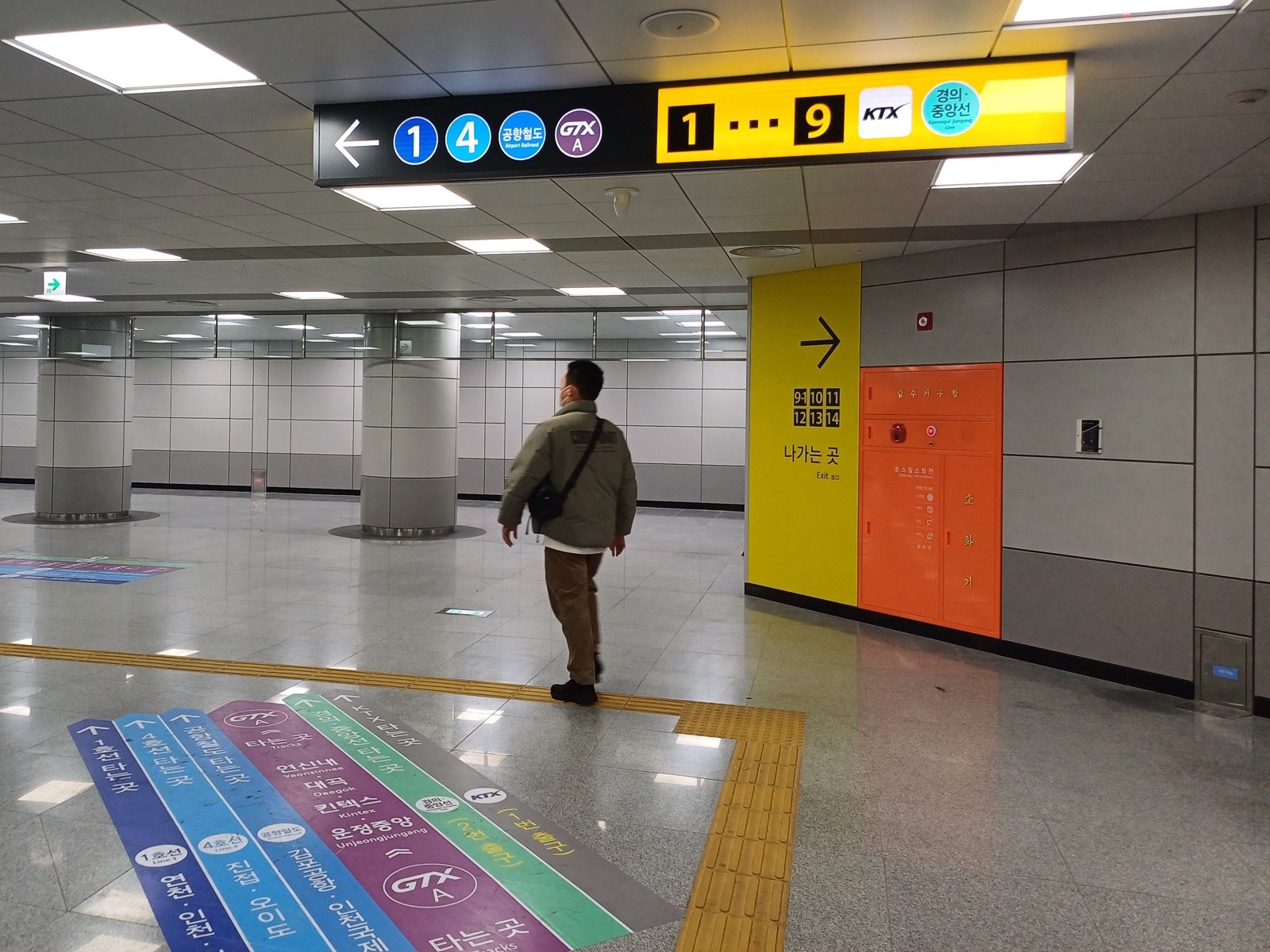
    Signs for Lines 1 and 4, the Airport Railroad and GTX-A in a Seoul Station concourse
    Seoul Station, the end of the line. Signs point to Lines 1 and 4.

    AREX (the Airport Railroad) runs two kinds of trains, and the all-stop one is my default. It takes 59 minutes from T1 to Seoul Station and 66 minutes from T2, though some trains take 2 to 6 minutes longer.

    It runs often, too. I counted the official weekday timetable: from T1, a train to Seoul Station leaves every 4 to 11 minutes between 7 a.m. and 9 p.m. The first trains leave T2 at 5:08 a.m. and T1 at 5:14 a.m.

    Here’s where it stops in Seoul, with adult T-money fares as of October 31, 2026:

    Stop Main transfers Fare from T1 / T2 Time from T2
    Seoul Station Lines 1, 4, KTX 4,750 / 5,350 won 66 min
    Gongdeok Lines 5, 6 4,650 / 5,250 won 62 min
    Hongik Univ. Line 2 4,650 / 5,250 won 58 min
    Digital Media City Line 6 4,550 / 5,150 won 54 min
    Magongnaru Line 9 4,350 / 4,950 won 47 min
    Gimpo Airport Lines 5, 9 4,350 / 4,950 won 44 min

    T-money is the standard rechargeable transit card in Korea: you load money and pay as you go. AREX says you can buy one at convenience stores and transit card vending machines, then top it up at station ticket machines.

    The other choice is a single-journey ticket from the machines on B1 of the Transportation Center. It costs 100 won more, plus a 500-won deposit you get back at the deposit refund machine where you get off.

    ⚠️ Heads-up

    On arrival day (airport to Seoul), the Climate Card doesn’t work, and AREX stations can’t charge it. Pay for your ride in another way, such as a T-money card or a single-journey ticket.

    Is the AREX Express worth 13,000 won?
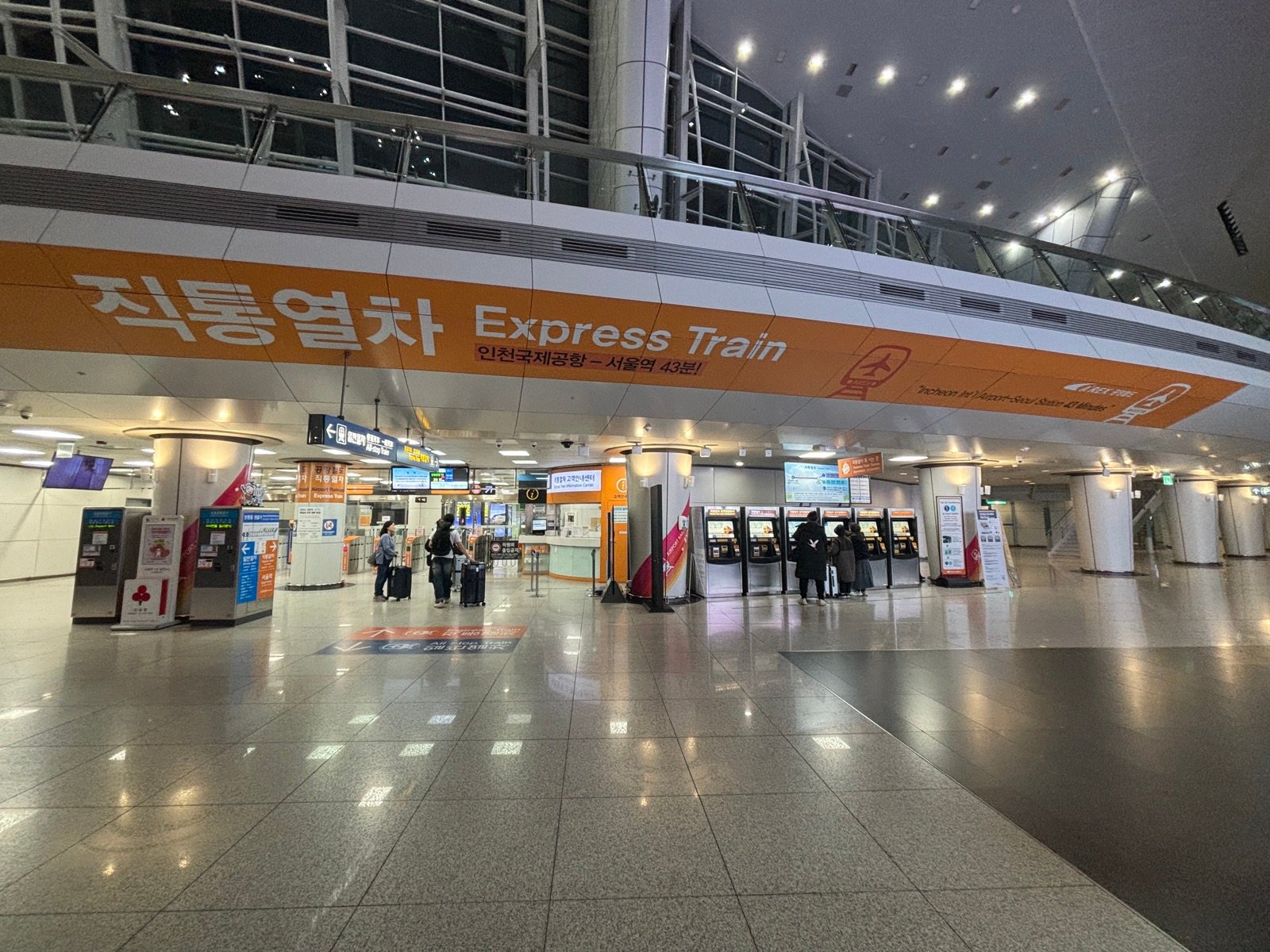
    AREX railway concourse at Incheon Airport Terminal 1 with an orange Express Train banner
    The Express Train area at Terminal 1 station. Buy the ticket before the gate. Photo: MNXANL, CC BY-SA 4.0, via Wikimedia Commons

    The Express runs nonstop between the airport and Seoul Station, and you buy a separate ticket before you board. It takes 43 minutes from T1 and 51 from T2, with trains leaving T1 between 5:24 a.m. and 10:48 p.m.

    An adult ticket is 13,000 won, and a child’s (ages 6 to 12) is 9,500 won. Seats are reserved, and you get free Wi-Fi, onboard attendants, and even bottled water if you ask!

    You can buy one on the AREX website, in the AREX Express app, or at machines on B1 of either terminal’s Transportation Center. Foreign Visa, Mastercard, JCB, Diners, Amex, and UnionPay cards are accepted for Express tickets. Kakao Pay, Alipay, WeChat Pay, and a few other wallets work online only.

    Booking online works up to two months ahead for up to 12 people, and you get a QR code to scan at the gate. If you book before you land, leave room for that immigration buffer. Your ticket also asks you to be on the platform 3 minutes before departure.

    Honest take

    From T1, the Express saves 16 minutes over the all-stop train and costs 8,250 won more than paying by T-money. With a big suitcase, I’d pay that for a reserved seat, but only when Seoul Station is where you’re going.

    Staying near Hongdae? Skip it. The all-stop train stops right at Hongik Univ., and the Express doesn’t. It also leaves roughly every 30 to 65 minutes, so if you’ve just missed one, the all-stop train may get you in first.

    Limousine buses: buy the ticket before you queue
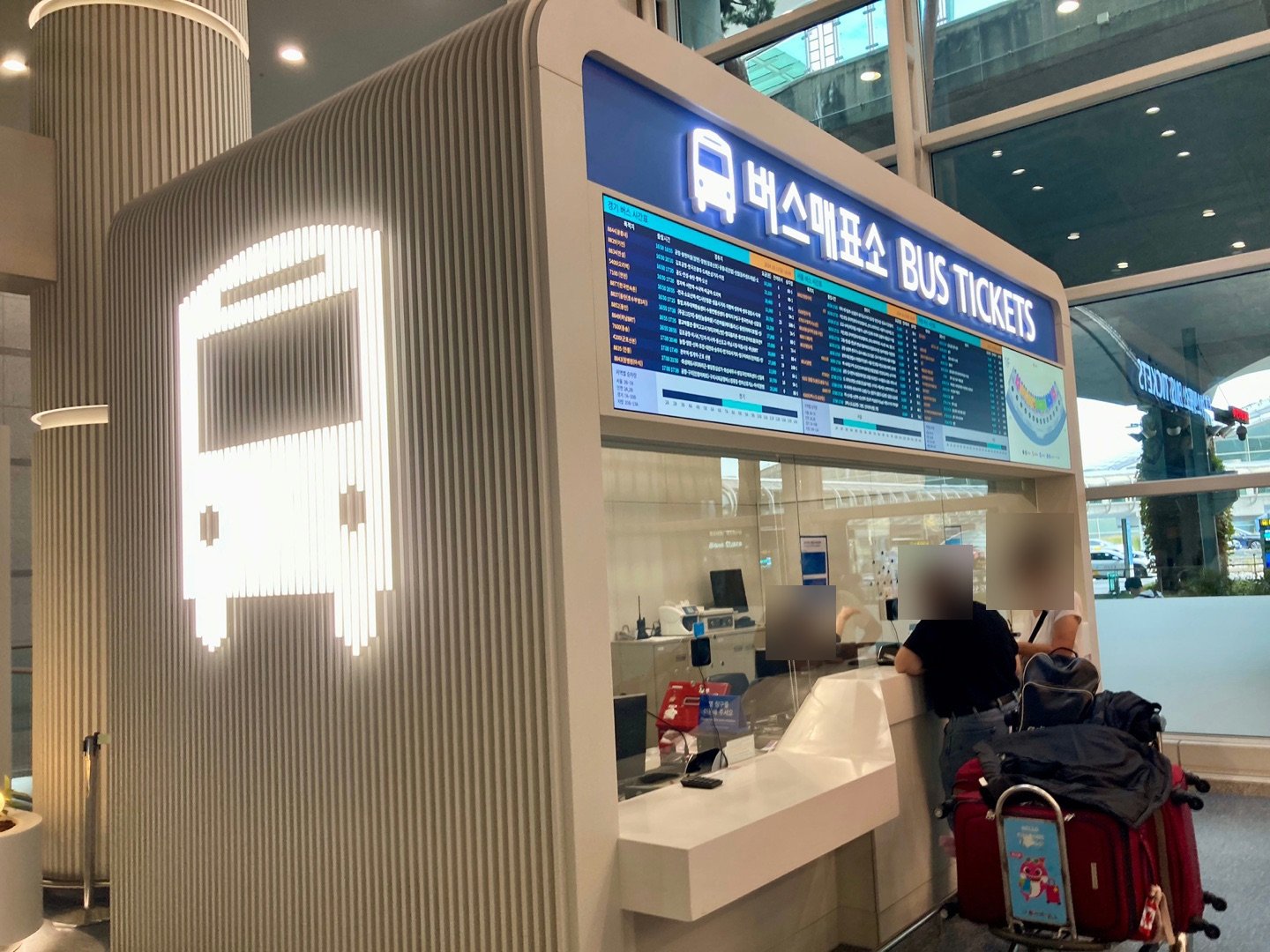
    Bus ticket booth with a lit bus icon at Incheon Airport Terminal 1
    The bus ticket counter at Terminal 1. Stop here first and skip the guessing. Photo: Narubaru7, CC BY 4.0, via Wikimedia Commons (faces blurred)

    Airport limousine buses are coaches that run from the airport straight to Seoul’s hotel areas. The airport lists 37 routes to Seoul, including four late-night ones. That’s a lot of numbers to scan when you’re jet-lagged!

    These are the ones I’d check first, with their stop numbers at each terminal:

    Bus Main stops Adult fare Stop (T1 / T2)
    6001 Seoul Station, Myeongdong, DDP (Dongdaemun) 17,000 won 5 / 29
    6002 Hongik Univ., Sinchon, Gwanghwamun, Cheongnyangni 17,000 won 6 / 30
    6015 Gongdeok, Namdaemun Market, Myeongdong 17,000 won 5 / 28
    6701 Gwanghwamun, City Hall, Myeongdong 18,000 won 3 / 18
    6702 Seoul Station, Itaewon, DDP 18,000 won 3 / 18
    6703 Gangnam: Sinnonhyeon, Coex, Seolleung 18,000 won 3 / 19
    6705A Jamsil (Lotte World), Dong Seoul Terminal 18,000 won 4 / 19
    6103 Samseong Station, Coex 18,000 won 7 / 21

    Here’s the catch: how you pay depends on the terminal and the bus company.

    • At T1: Airport Limousine boards ticket holders first, but the 6001, 6002, and 6015 go in line order and take cash, a transit card, or a ticket.
    • At T2: every Airport Limousine route needs a ticket.
    • At both terminals: the 6701, 6702, 6703, and 6705A, from a different company, take only a paper ticket, not cash or a transit card.

    Airport Limousine has no advance booking: it’s first come, first served. And the Climate Card doesn’t cover any of these buses.

    💡 Yuna’s tip

    Buy your ticket at a counter or kiosk before you join the line. A ticket works on every route at both terminals, and Airport Limousine’s kiosks run 24 hours.

    On bags, Airport Limousine allows two per person under 28 inches and 20 kg each, but only one bigger bag. Extra bags are 8,000 won each, carry-ons included. The 6700-series allows two bags, up to 40 kg in total.

    With two big suitcases each, I’d ask at the counter first.

    Taxis: simple, as long as you start at the right stand
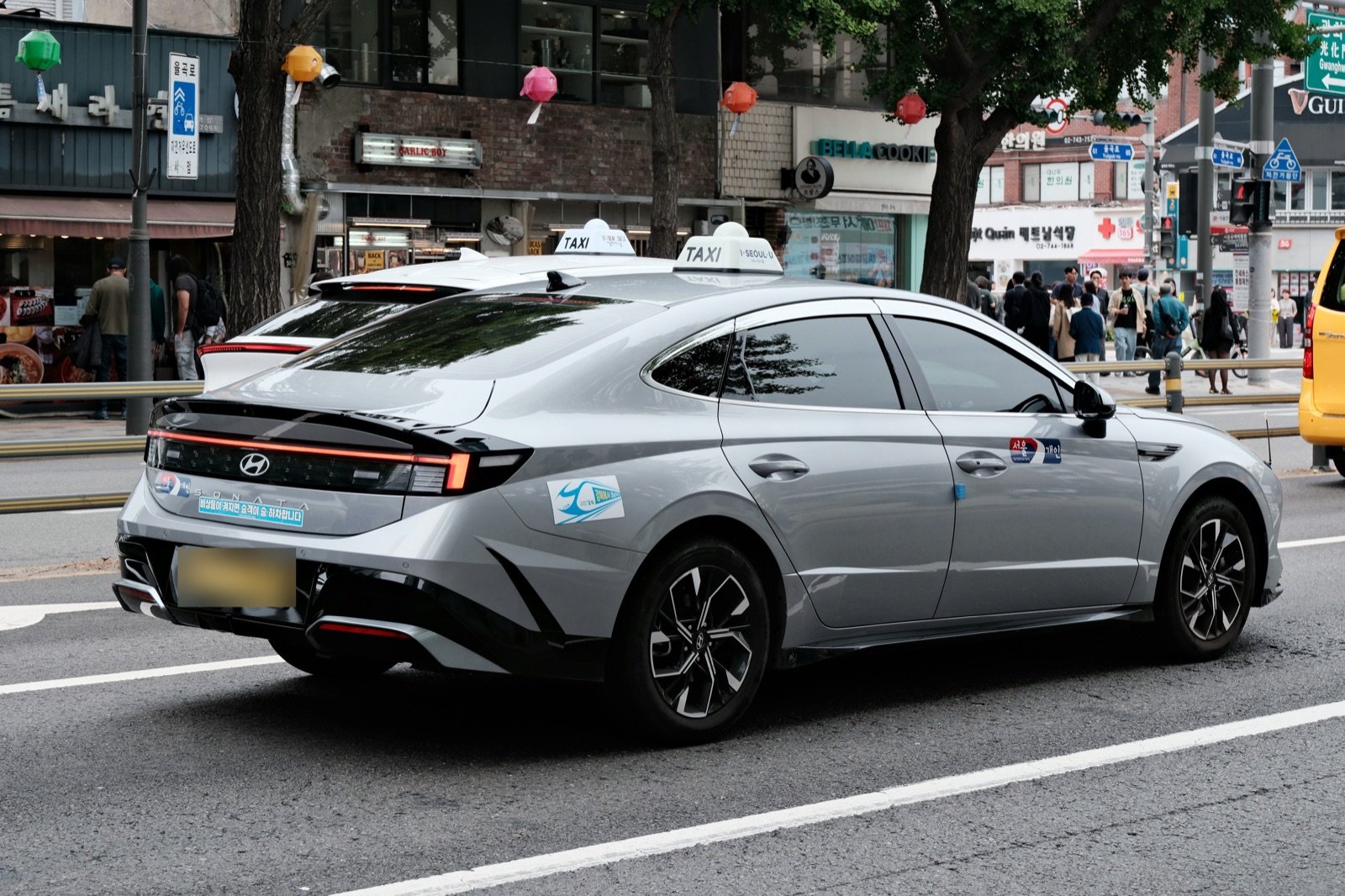
    A silver Seoul taxi with a rooftop TAXI sign on a city street
    A Seoul taxi with its rooftop sign. Regular meters start at 4,800 won.

    A taxi is the door-to-door option, and the one I’d pick for a group with a pile of luggage. Regular taxis wait at stands 5C, 6C, and 6D at T1. At T2, Seoul taxis use 7C.

    Here’s what you’ll pay in a Seoul taxi, as of October 31, 2026:

    • Regular meter: 4,800 won to start, and it ticks up with distance and slow traffic.
    • Late night: 20% more from 10 to 11 p.m. and 2 to 4 a.m., and 40% more from 11 p.m. to 2 a.m.
    • Deluxe and large (9-seat): 7,000 won to start, at stands 7C/8C at T1 and 7D at T2.
    • No city-boundary surcharge into Seoul, because the airport is a shared service area for Seoul, Incheon, and four Gyeonggi cities.

    I couldn’t find an official estimate for the fare downtown, or whether highway tolls get added. I’d rather not guess, so I’d ask the driver for a rough figure before setting off.

    💬 Say it in Korean

    여기로 가 주세요

    yeogiro ga juseyo

    “Please take me here.” I’d show it with your hotel’s Korean name and address.

    Want help in English? Seoul runs the International Taxi for foreign visitors. It has desks at both terminals and its own stands (4C at T1, 3C at T2), with staff who help in English, Japanese, and Chinese.

    It offers flat fares by zone between Seoul and the airport, or the meter plus 20%, and takes foreign credit cards, transit cards, and cash. Book at least 24 hours ahead on intltaxi.co.kr, or walk up to the desk.

    💡 Yuna’s tip

    If someone inside the terminal offers you a ride, smile, say no thanks, and walk to the numbered taxi stands. The airport warns about call vans posing as taxis and overcharging.

    Landing late? Here’s what runs after the trains
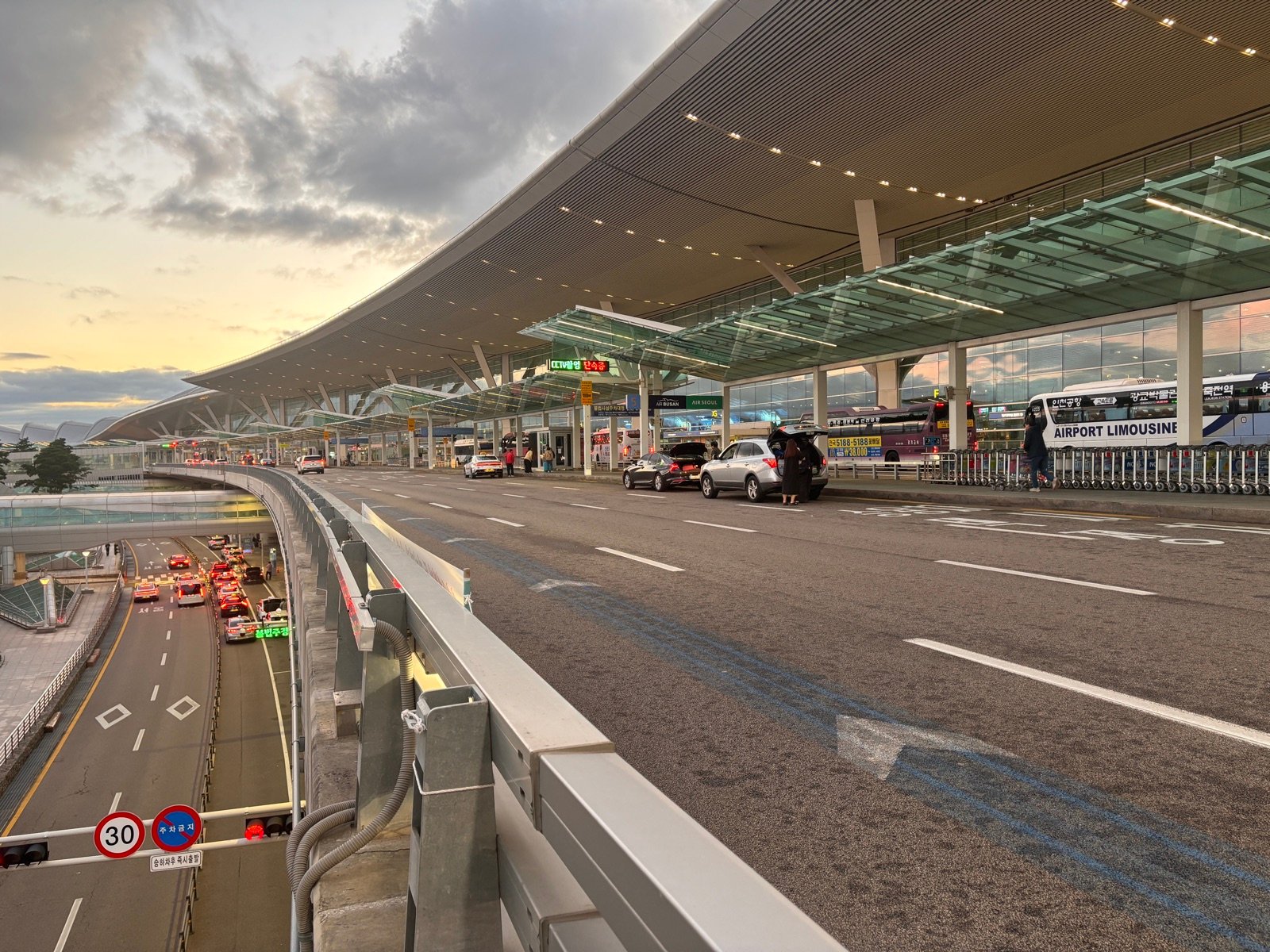
    Curbside at Incheon Airport Terminal 2 at dusk, with an Airport Limousine bus and taxis below
    Terminal 2’s curb at dusk, with taxis waiting on the lower road.

    After the last trains, four night buses take over, with tickets from the counters or kiosks (times from T1):

    • N6000 (17,000 won): Gangnam Express Bus Terminal in 70 minutes
    • N6002 (17,000 won): Hongdae in 45 minutes, then Cheongnyangni
    • N6701 (18,000 won): Seoul Station in 60 minutes, then Euljiro 1-ga and DDP
    • N6703 (18,000 won): Coex in 65 minutes, then Jamsil and Gwangnaru

    The first leaves T1 at 11:40 p.m., and none leave T1 between 2:10 and 3:40 a.m. The N6701 and N6703 also sell tickets in the T-money GO app, but I’d skip it. Their airport stops take paper tickets only, and any QR ticket must be swapped at a staffed counter first.

    Honestly, if you’re out of arrivals after the last train, I’d take a taxi, surcharge and all, rather than figure out a night bus on a dying phone battery.

    FAQ

    How long does it take from Incheon Airport to Seoul?

    From T1 to Seoul Station, you’re looking at 43 minutes by Express or 59 by all-stop train. Bus times depend on traffic, and I couldn’t find official daytime figures.

    Can I use the Climate Card on AREX?

    Only toward the airport. Since September 13, 2024, you can ride AREX (the Airport Railroad) from a covered Seoul station, such as Seoul Station, Gongdeok, or Hongik Univ., to Incheon Airport Terminal 1 or 2 at no extra charge. My Climate Card guide has the details.

    Does AREX run all night?

    No: after the last trains, you’re on a night bus or in a taxi until the first train leaves T1 at 5:14 a.m.

    If you spot something that’s changed, tell me on the Contact page and I’ll check it against the official source. Enjoy that first hot shower at the hotel!

    Hwaiting! (It’s how Koreans say “you’ve got this.”)

    Yuna

    📌 Read next

    🎟️ Book it

    Want it sorted before you fly? These are the ones I would look at on Klook:

    Sources and last check

    How I put this guide together: from the official AREX, Incheon Airport, limousine bus, and Seoul city pages, mostly in Korean (links below). I counted train frequencies from the official timetables myself. Nothing here is sponsored (the booking links are affiliate links, as noted at the top), and no organization paid for or reviewed it. More on how I research every guide is on the About page.

    Last checked: October 31, 2026. Fares, timetables, boarding spots, and payment rules can change without notice, and the airport says its own pages are for reference only. Please confirm on the official pages before you travel. This is an independent guide, not affiliated with AREX, Incheon International Airport Corporation, any bus company, or the Seoul Metropolitan Government.

    Official sources (mostly in Korean; your browser’s translate feature helps):

  • Seoul Climate Card for Tourists (2026): Prices, Foreign Cards & T-money

    Seoul Climate Card for Tourists (2026): Prices, Foreign Cards & T-money

    Some links in this guide are affiliate links. If you book through them, Hello Korea Tips may earn a small commission at no extra cost to you.

    Last checked: October 31, 2026

    Short version: in Seoul for three days or more and taking three-plus trips a day? I’d get the Climate Card. If you ride less, take day trips, or use the Shinbundang Line, T-money is usually cheaper. Below, I’ll show you how the days really work and the airport rule that trips people up.

    Quick answer

    • 💰 Price: 1, 2, 3, 5, or 7 days for 5,000 to 20,000 won, plus 3,000 won for the card
    • 🚇 Covers: subway within Seoul and Seoul city buses, not the Shinbundang Line or GTX-A
    • 💳 Foreign cards: yes, at newer machines in Seoul Metro stations on Lines 1 to 8
    • ✅ Worth it if: 3+ days, 3+ trips a day, mostly inside Seoul

    The name doesn’t help, I know. “Climate Card” sounds more like a recycling campaign than a subway pass. The pass itself is simple: unlimited rides for a set number of days (some call it the tourist pass), sold only in Korea.

    What it costs, and when it actually pays off

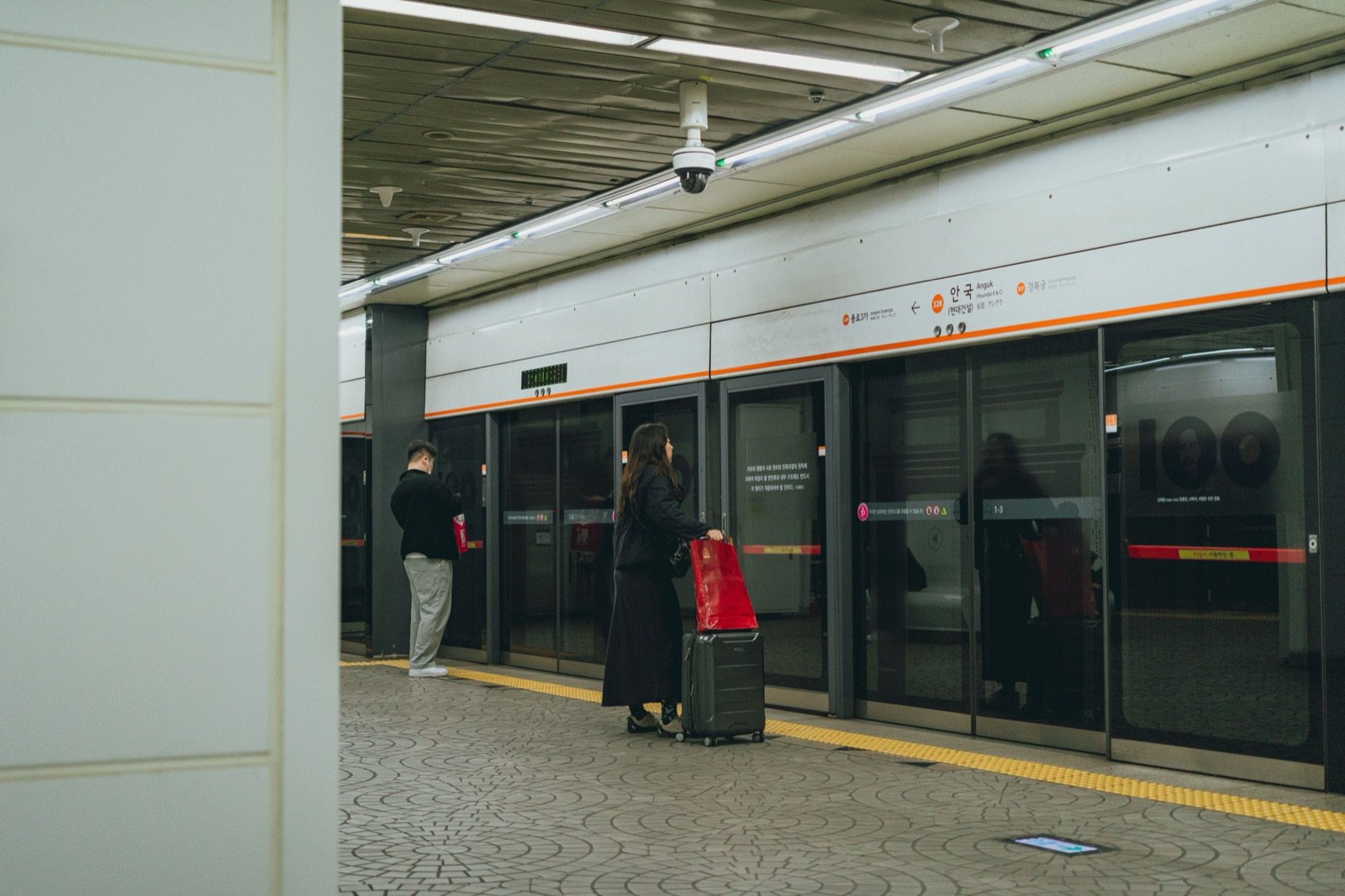
    Travelers with a suitcase waiting at the platform screen doors of Anguk Station on Line 3
    Travelers waiting at Anguk Station on Line 3. Count your trips before you buy.

    My yardstick is the adult subway fare on a T-money card: 1,550 won a trip.

    I also count the 3,000-won card, because you’ll probably carry T-money anyway for arrival day and day trips. I worked out how many trips a day each pass needs to beat T-money:

    Pass and price Counting the 3,000-won card If you already own the card
    1-day
    5,000 won
    6+ trips that day 4+ trips that day
    2-day
    8,000 won
    4+ trips a day 3+ trips a day
    3-day
    10,000 won
    3+ trips a day 3+ trips a day
    5-day
    15,000 won
    3+ trips a day 3+ trips a day (2 is about even)
    7-day
    20,000 won
    3+ trips a day 2+ trips a day

    Quick note on counting: a trip here means one journey, not every time you board.

    On T-money, a transfer within 30 minutes of getting off (60 minutes between 9 p.m. and 7 a.m.) counts as part of the same trip, for up to five rides. So a quick subway-to-bus hop still counts as one trip.

    Take a relaxed week: out in the morning, back in the evening, two trips a day. Over seven days, that comes to 21,700 won on T-money, versus 23,000 won for a 7-day pass plus the card.

    For a week like that, I’d stick with T-money.

    If you pay by foreign card, the 3.7% fee doesn’t change any of these numbers.

    Honest take

    The 1-day pass is the hardest one to make worth it. With the card on top, you need six or more trips that day. I’d save it for your busiest day, not a slow one of cafes and side streets.

    Is a 1-day pass 24 hours? No, and it matters

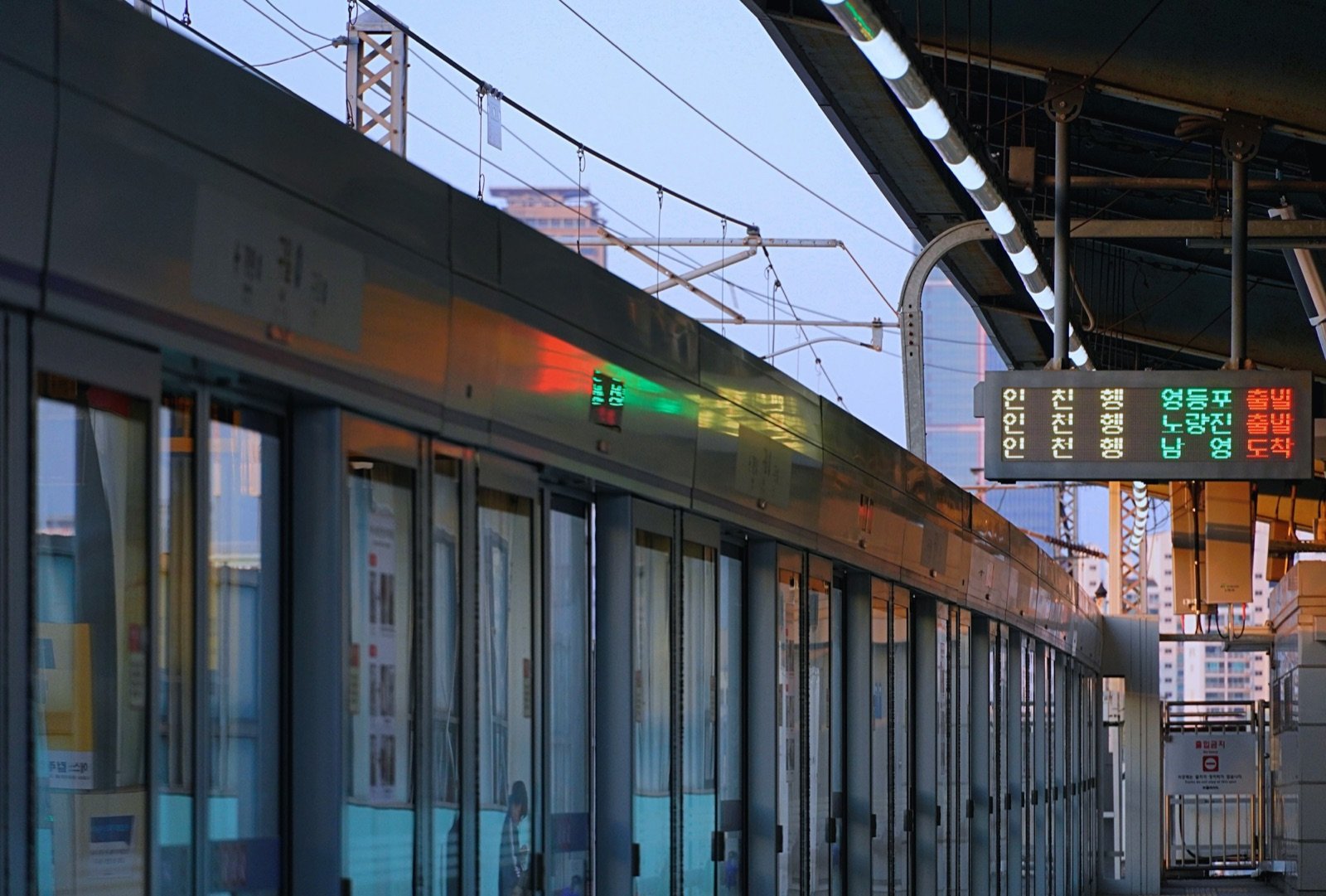
    Platform screen doors and a train arrival board at Guil Station on Line 1 at dusk
    Guil Station on Line 1 at dusk. Too late to start a 1-day pass.

    Some English guides make it sound like a 24-hour pass. It isn’t! Day 1 is the day you charge it, and there’s no “activate later” option.

    Days are calendar days, counted inclusively, from 4 a.m. on day 1 until the last bus or train of the final day. Late-night buses are included, so the day really ends around 4 a.m. the next morning.

    So if you charge a 1-day pass at 7 p.m. on July 1, it still ends with the last service of July 1. You’ve paid 5,000 won for a few hours, and I’d hate for you to find that out at the gate.

    💡 Yuna’s tip

    Landing Monday evening and flying home Saturday? Use T-money on Monday, then charge a 5-day pass on Tuesday morning. It covers Tuesday through Saturday, including the regular (all-stop) AREX train to the airport.

    When a pass ends, you can charge a new one on the same card, even on a later visit. I’m a big believer in a slow first morning anyway: coffee first, then charge the pass.

    Where it works, and what changed on October 1, 2026

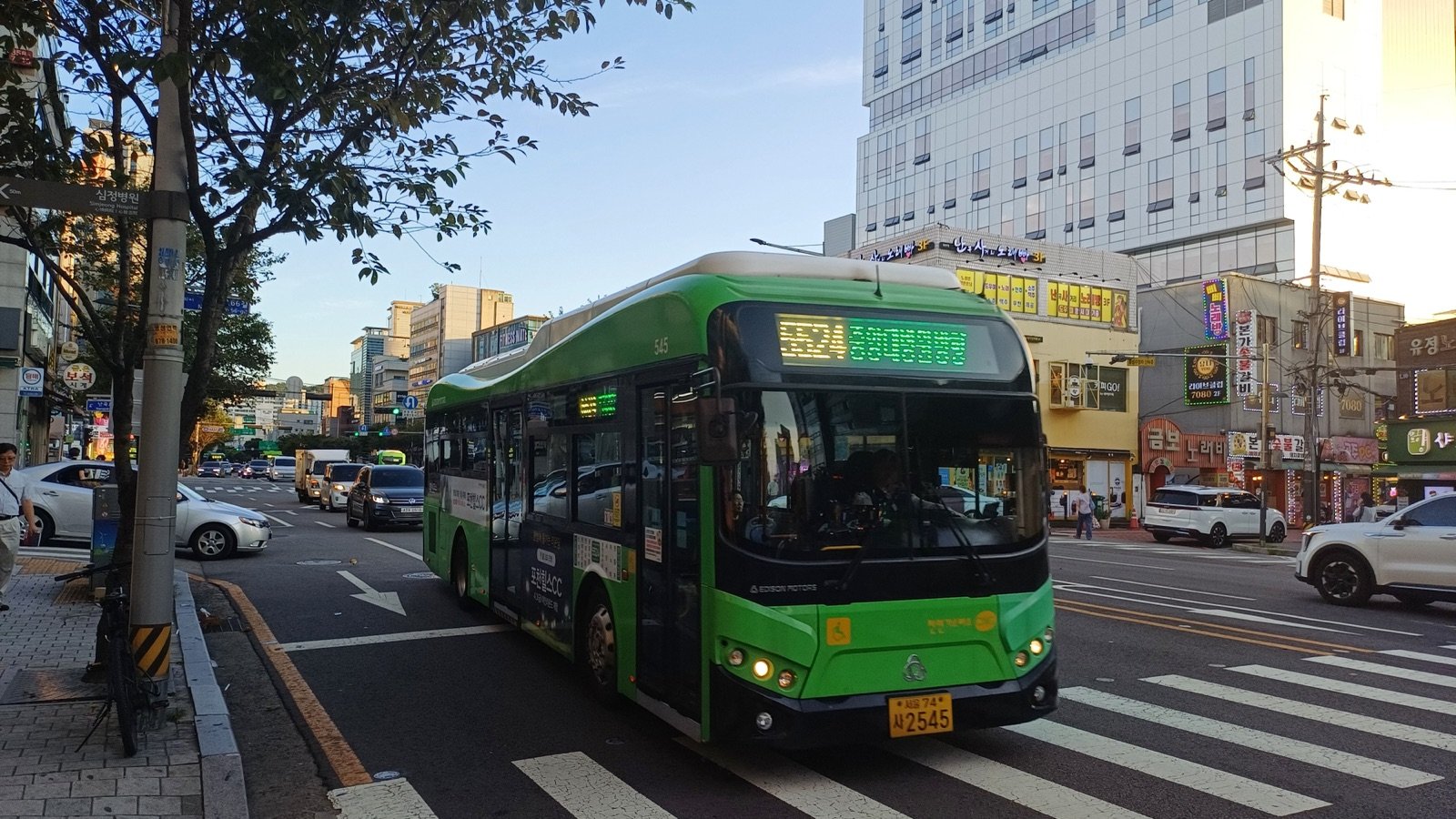
    A green Seoul branch bus, route 5524, passing a crosswalk in warm evening light
    A green Seoul branch bus. Seoul city buses are covered by the pass.

    On the subway, you can use it at stations within Seoul. On buses, it covers Seoul-licensed city and village buses, including late-night and circular buses, even when you board or get off in Gyeonggi Province.

    It doesn’t cover:

    • The Shinbundang Line (even at its stations inside Seoul) or GTX-A
    • Subway stations outside Seoul
    • Wide-area express buses, airport limousine buses, and buses licensed by other cities
    • Taxis, Ttareungyi (the city’s public bikes), the Hangang Bus, or shops, since the pass has no cash balance

    Staying around Gangnam? The Shinbundang Line is the one I’d watch for: a separately run line toward Pangyo, and an easy one to tap into out of habit.

    Here’s the catch if you’re reading older guides: on October 1, 2026, the pass stopped covering nearby cities such as Gimpo, Goyang, Gwacheon, Guri, Seongnam, Hanam, and Namyangju (the official notice says “and others”). Gimpo here means the city; Gimpo Airport station is inside Seoul.

    If you get off outside the area, the gate won’t let you out on the pass. Staff will charge the full fare from where you boarded, paid with a regular transit card.

    In practice, riding from Seoul Station to Bupyeong Market Station (the official example) means station staff charging you 1,950 won before you can leave. Not a fortune, but not my idea of a good end to a day out.

    For day trips to places like Suwon or Incheon, I’d carry T-money too. To check a specific station, use the coverage search on the official Seoul pages linked at the bottom.

    The Incheon Airport rule: it only works one way

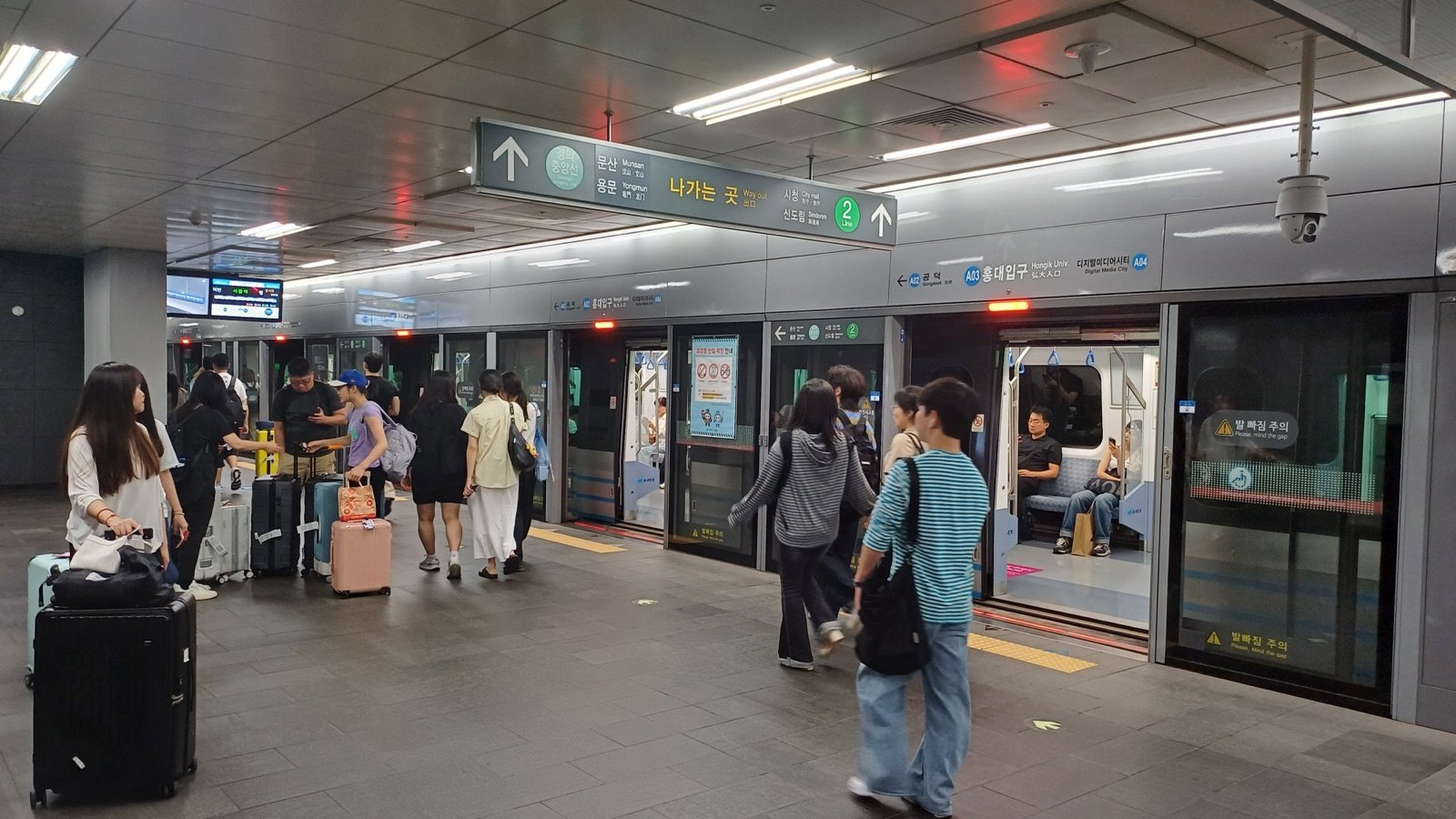
    Travelers with suitcases on the Airport Railroad platform at Hongik Univ. Station in Seoul
    The Airport Railroad platform at Hongik Univ. Station. Toward the airport, the pass works.

    Since September 13, 2024, you can ride AREX (the Airport Railroad) from a covered Seoul station, such as Seoul Station, Gongdeok, or Hongik Univ., to Incheon Airport Terminal 1 or 2 at no extra charge.

    The other direction is a no: you can’t board at the airport stations with the pass.

    ⚠️ Heads-up

    On arrival day (airport to Seoul), the Climate Card doesn’t work, and AREX stations can’t charge it. Pay for your ride in another way, such as a T-money card or a single-journey ticket.

    Departure day is the easy direction. Picture it: bags packed, one last coffee, then you tap in at Hongik Univ. and ride the regular train to your terminal without paying extra.

    The pass works if it’s still valid, so I’d make sure yours still covers your flight day. Honestly, I’d rather not buy tickets with a suitcase in tow anyway.

    My take: skip the Express on the pass. Official pages only describe the regular all-stop train, and the AREX Express uses separate tickets.

    Can you buy it with a foreign card? Yes, at the newer machines

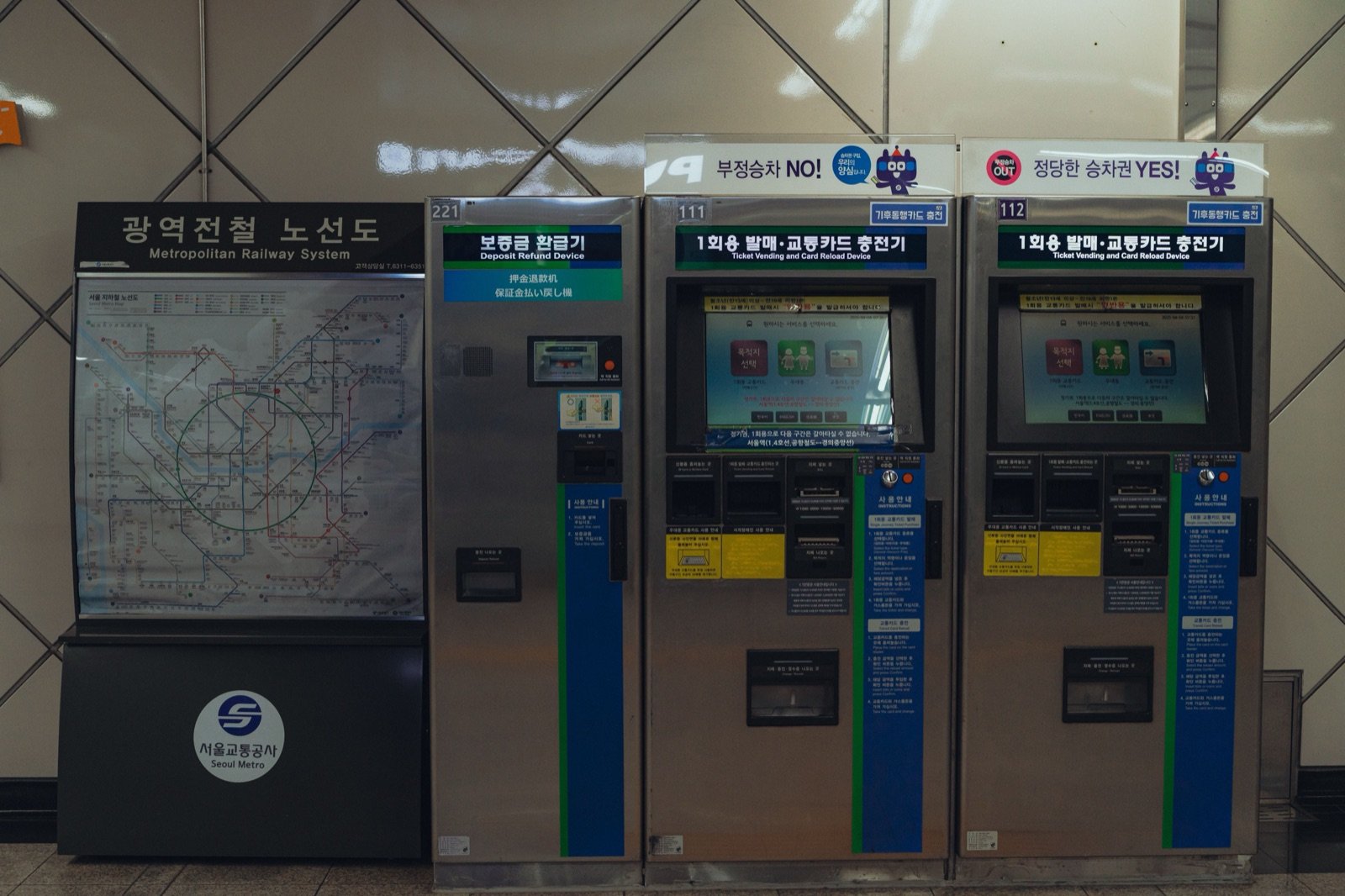
    Ticket vending and card reload machines beside a metropolitan subway map in a Seoul Metro station
    Ticket and recharge machines at a Seoul subway station. Not all take foreign cards.

    Good news: as of March 17, 2026, 440 newer ticket machines at 273 Seoul Metro stations (Lines 1 to 8) accept foreign-issued credit and debit cards such as Visa and Mastercard. Kakao Pay and Naver Pay work too!

    This is the order I’d go in (menu names may vary):

    1. Go on the morning of your first full day of riding, since charging starts the clock.
    2. Find a newer machine at a Seoul Metro station on Lines 1 to 8. On Line 1, that means stations between Seoul Station and Cheongnyangni; Korail-run stops may not have them.
    3. Buy the card (3,000 won), charge your days, and pay by foreign card, cash, Kakao Pay, or Naver Pay.
    4. Register it on the T-money Card & Pay website if you might want a refund. Unregistered cards can’t be refunded.
    5. Tap in and tap out every time, buses included. That’s it, you’re riding!

    💡 Yuna’s tip

    Not every machine is the new type. If one declines your card, don’t fight it. Try another newer machine, or pay with cash.

    Four more things I’d want to know:

    • Convenience stores: some near stations sell the card, but official sources don’t agree on which, so I’d go straight to a station machine.
    • Recharging: you can recharge at machines in Seoul subway stations; Korail, AREX, Shinbundang, and GTX-A stations can’t charge it. With a foreign card, use a newer Seoul Metro machine on Lines 1 to 8; others may take only cash or Korean cards.
    • Phones: the mobile version is Android-only and needs Korean identity verification, so I’d skip it and get the physical card.
    • Tap-to-pay: as of October 2026, you can’t tap a foreign bank card directly at subway gates. Seoul plans to add readers, buses first, and I’ll update this guide when it actually starts.

    💬 Say it in Korean

    기후동행카드 단기권

    gihu donghaeng kadeu dangigwon

    “Climate Card short-term pass.” Screenshot this and show it at the station counter. It saves a lot of pointing.

    Climate Card or T-money? Here’s how I’d choose

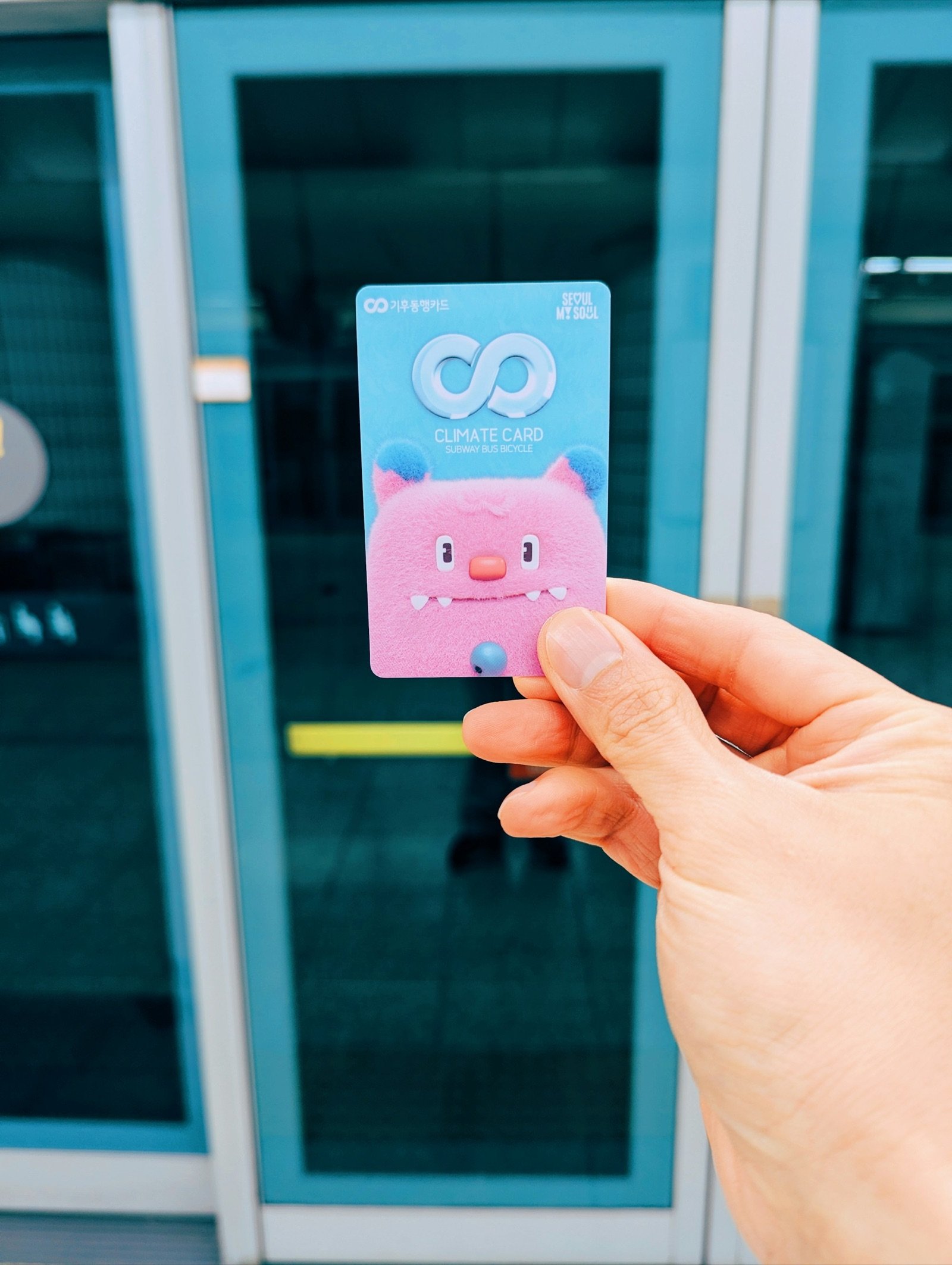
    Hand holding a Seoul Climate Card transit pass in front of blue subway platform screen doors
    The Climate Card. It says bicycle, but the short-term pass does not cover Ttareungyi.

    T-money is the standard rechargeable transit card in Korea: you load money and pay as you go. These are the adult fares:

    Ride T-money fare (as of Oct 2026)
    Subway, first 10 km 1,550 won
    Subway, longer rides +100 won per 5 km after 10 km (per 8 km after 50 km)
    Seoul city bus (trunk and branch) 1,500 won
    Village bus 1,200 won
    Late-night bus 2,500 won

    Yuna’s pick

    Three days or more, three-plus trips a day, staying inside Seoul? My pick is the Climate Card, especially if you’d rather not watch a balance.

    Taking only one or two trips a day, heading out of Seoul for the day, or using the Shinbundang Line, GTX-A, or an airport limousine bus? My vote goes to T-money.

    Honestly? For many itineraries, I think the simplest setup is both: the pass for busy sightseeing days, and T-money for the ride in from the airport and anything the pass doesn’t cover.

    On your last day, convenience stores refund small T-money balances for a 500-won fee (GS25 under 20,000 won; 7-Eleven up to 20,000 won; CU and emart24 up to 30,000 won).

    Need just a ride or two? A single-journey ticket costs 1,650 won plus a 500-won deposit you get back at the deposit refund machine in the station.

    Seven mistakes I’d hate for you to make

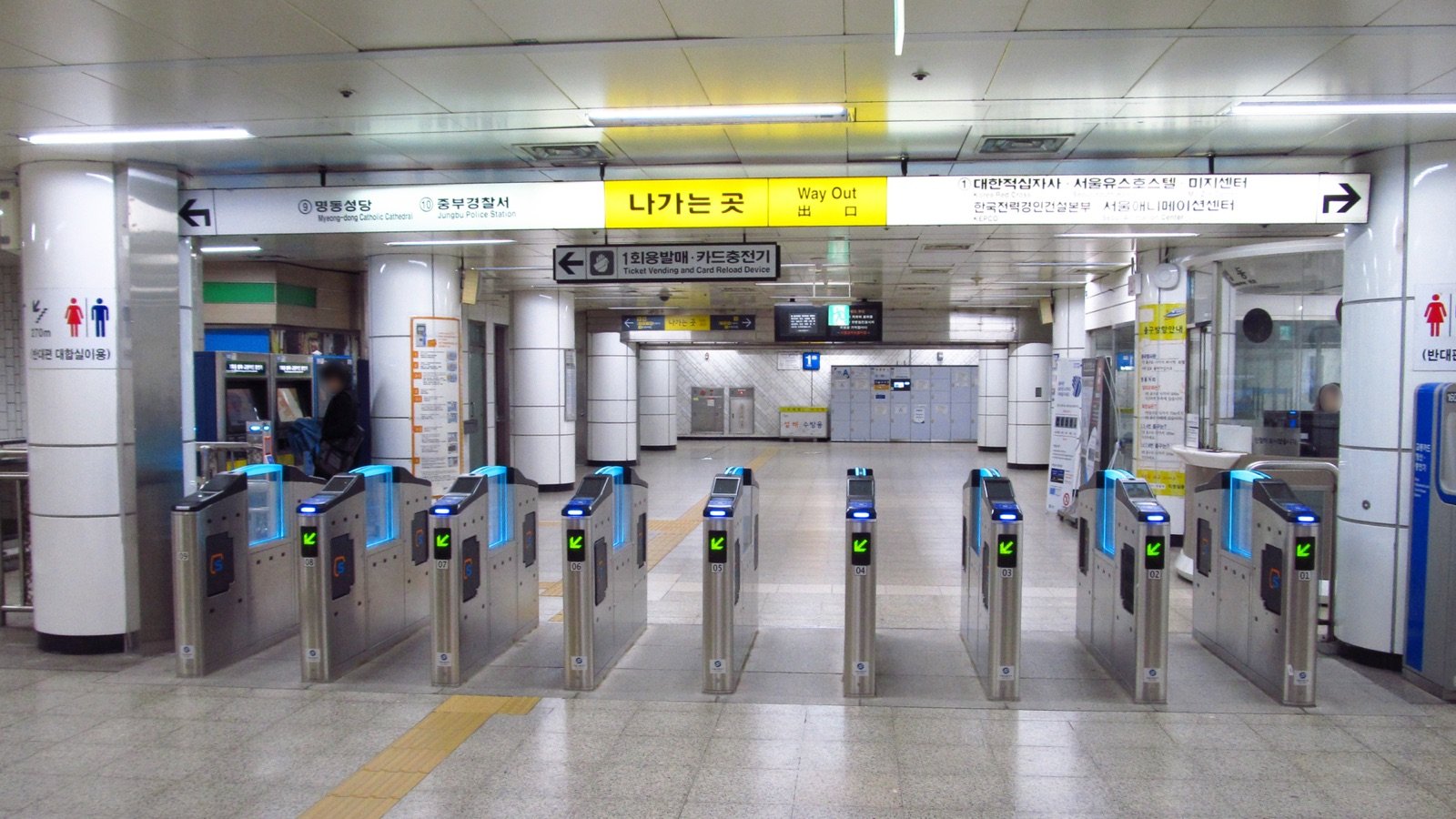
    Empty ticket gates at Myeongdong Station with green arrows and bilingual Way Out signs above
    Ticket gates at Myeongdong Station. Tap in and tap out, every time. Photo: LERK, CC BY-SA 4.0, via Wikimedia Commons (File: Seoul-metro-424-Myeongdong-station-gate-20181124-081950.jpg)

    My quick checklist before you tap in:

    1. Buying a 1-day pass in the evening. It ends with the last service that day. Mornings only, please.
    2. Trying to use it at the airport on arrival. You can only get off there. Arrival day is a T-money day.
    3. Tapping in on the Shinbundang Line or GTX-A. Not covered, even inside Seoul. Around Gangnam, read the sign twice.
    4. Riding to a station outside Seoul. You’ll pay the full fare at the exit. Pack T-money for your day trips.
    5. Trusting a 2024 guide. Coverage shrank on October 1, 2026, and “cash only” advice is outdated. I’d check the date on anything you read, this guide included.
    6. Boarding an airport limousine or wide-area bus. You’ll need T-money, cash, or a ticket. The pass sits this one out.
    7. Buying extra days “just in case.” Refunds take registration, paperwork, and a fee. Nobody flies to Seoul to do paperwork!

    Refunds: doable, but not fun

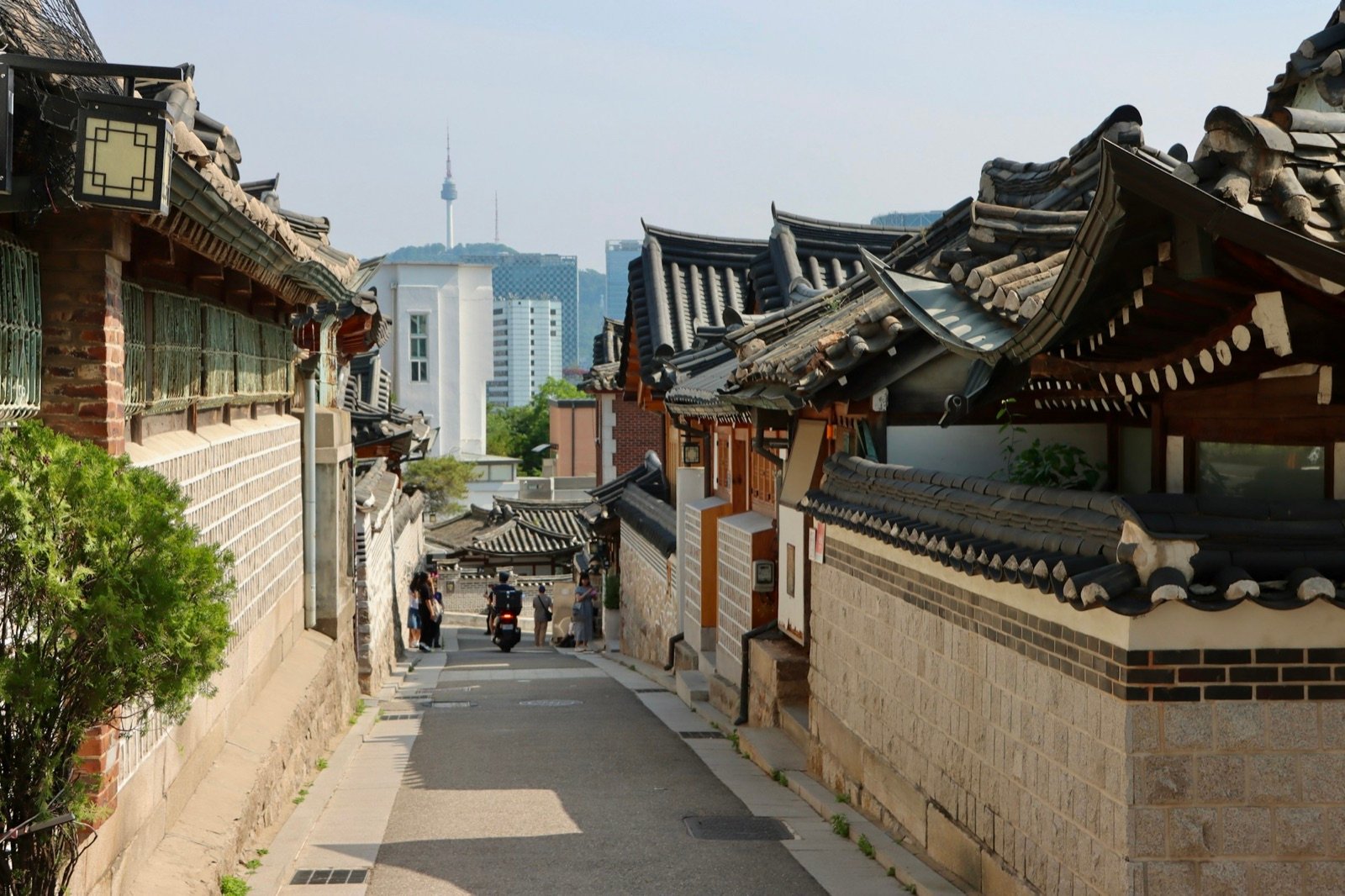
    Narrow stone-walled alley lined with hanok houses in Bukchon with N Seoul Tower in the distance
    A hanok alley in Bukchon. Some days are better on foot anyway.
    • You get back what you charged, minus the regular fare of every ride you took, minus a 500-won fee. After a few busy days, there may be nothing left, and the card price is not refunded.
    • The card must be registered on the T-money Card & Pay website first.
    • Card payments go back to the card; cash goes to a bank account. Without a Korean bank account, call the T-money customer center (1644-0088) first, since official pages disagree on cash refunds at the T-money head office.

    ⚠️ Heads-up

    Refunds run on a clock. Suspend your card while the pass is still valid (at a recharge machine or in the app), then file online within 15 days of the end date.

    My rule of thumb: buy only the days you need. I’d rather come up a day short than chase a refund, since you can charge a new pass on the same card once the old one ends.

    FAQ

    How long is the Climate Card 1-day pass valid?

    Until the last bus or train of the day you charge it, roughly 4 a.m. the next morning. So not a full 24 hours.

    Can I buy the Climate Card with a foreign credit card?

    Yes, at newer machines in Seoul Metro stations on Lines 1 to 8 (as of March 17, 2026), with a service fee of about 3.7% on average.

    Is the 30-day Climate Card still available?

    No. The prepaid 30-day pass could be charged until August 31, 2026, and used until September 29, 2026. Since September 1, 2026, Seoul’s Climate Pass (built on the national K-Pass program, with benefits aimed at Seoul residents) has replaced it. Short-term passes are still on sale.

    If you remember one thing, make it this: charge the pass on the morning you start riding. If you spot something that’s changed, tell me on the Contact page and I’ll check it against the official source. Have a great first ride!

    Hwaiting! (It’s how Koreans say “you’ve got this.”)

    Yuna

    🎟️ Book it

    Want it sorted before you fly? These are the ones I would look at on Klook:

    Sources and last check

    How I put this guide together: from the Seoul city and T-money pages in Korean (dates below), checked against the English notice on Korea.net. Nothing here is sponsored (the booking links are affiliate links, as noted at the top), and no organization paid for or reviewed it. More on how I research every guide is on the About page.

    Last checked: October 31, 2026. Prices, coverage, and payment options can change, so please confirm on the official pages before you travel. This is an independent guide, not affiliated with the Seoul Metropolitan Government, Seoul Metro, or T-money.

    Official sources (mostly in Korean; your browser’s translate feature helps):