Last checked: November 1, 2026
In Korea, “inner beauty” (이너뷰티) covers products like collagen jelly sticks and drinks. I’d try a jelly stick once, for the taste and the format. The teas and the birthday seaweed soup further down are everyday Korean food, so I’d try those as food.
Quick answer
- 🛍️ Try once: a collagen jelly stick, eaten from the pack
- 📍 Tea trip: Seogwang Tea Garden, if Jeju is on your trip
- ✅ On the box: 건강기능식품, the health functional food mark
What does “inner beauty” mean in Korea?

It is a big market. Herald Business, citing Shinhan Investment Corp., put it at 500 billion won in 2019 and over 2 trillion won in 2025. The same report says products with collagen, hyaluronic acid, and probiotics have moved the market beyond plain vitamins.
A lot of it comes as jelly sticks that you eat straight from the pack, with no water. In convenience stores, the collagen boom showed up early. Emart24 said sales of collagen products from March 20 to April 12, 2023 were up 355% on a year earlier, and collagen drinks were up 147%.
How to read a health food box
Some of these products are sold as health functional foods (건강기능식품). The mark for that category means the product is a health functional food recognized under the Ministry of Food and Drug Safety’s standards.
The HACCP mark, which you’ll see on lots of ordinary food, looks similar but doesn’t mean the product is a health functional food.
The ministry has also redesigned the health functional food mark, because shoppers were confusing it with the HACCP mark. It proposed the change on July 1, 2026, made it final on September 15, 2026, and the new labeling rules take effect on January 1, 2028. I couldn’t read the rules for products already on shelves, so I’d check the ministry’s latest labeling notice before your trip.
If you want to check a product, Korean news reports point to the Food Safety Korea portal (식품안전나라), where you can search by product or company name. It is in Korean, so I’d copy the product name from the box.
If you’re planning to take supplements home, check your own country’s rules first. In the US, the FDA has a page on personal importation, and US Customs and Border Protection says travelers must declare meats, fruits, plants, and other plant and animal products. For anything else, its advice is: “If in doubt, declare it.”
Tea at the table: barley, corn, and corn silk

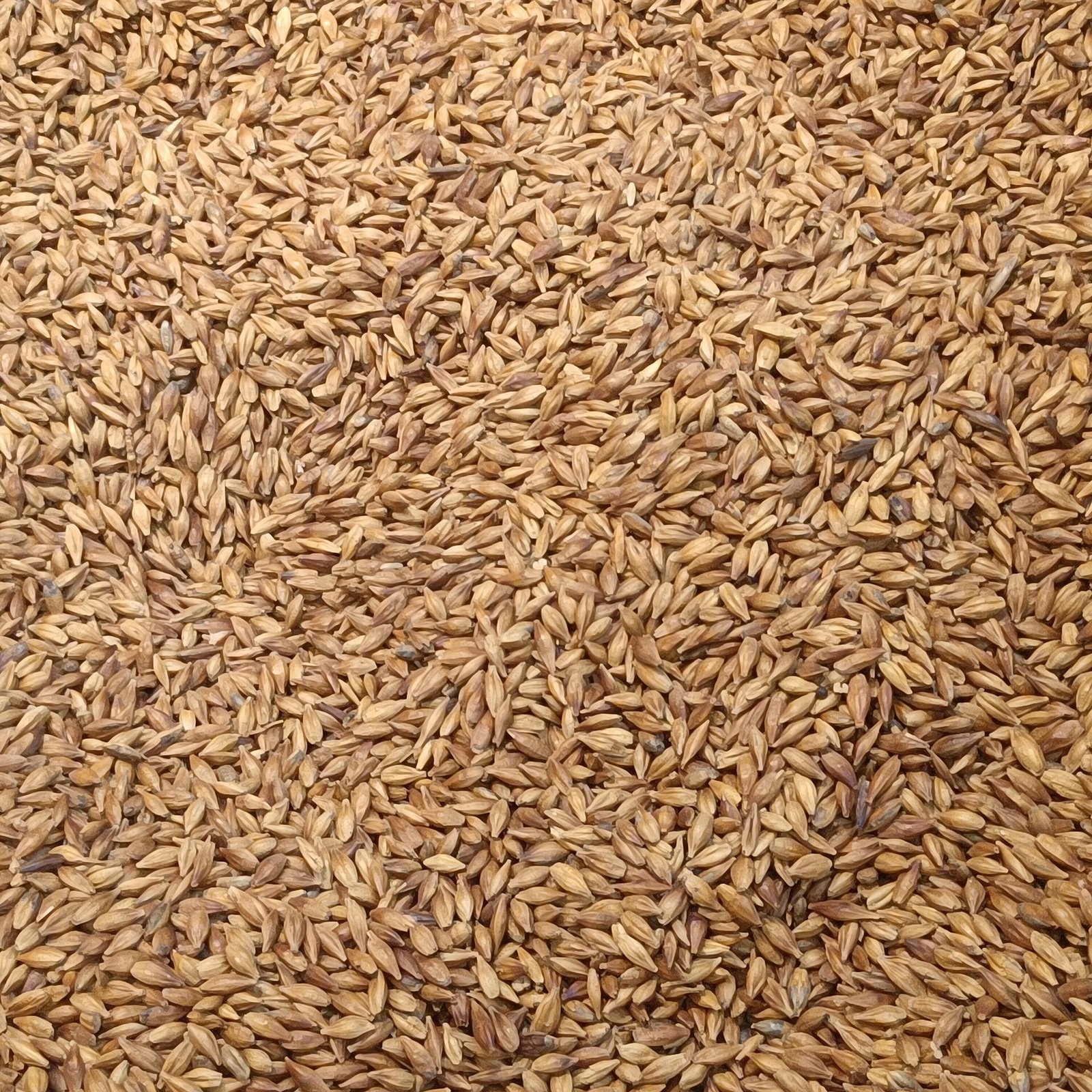
Barley tea (보리차, boricha) is served with meals in Korea, hot in winter and cold in summer, and it’s often mixed with roasted corn.
Corn silk tea (옥수수수염차) is a separate drink that’s sold in bottles. Kwangdong makes one, and Kurly, a Korean online grocer, lists it in a 1.5 L bottle, so check the size on the label if you only want one for the day. If you want to try one Korean drink from a convenience store fridge, I’d pick this one.
Green tea: where it grows
Two well-known green tea areas are Boseong in South Jeolla and Jeju Island. Neither is a day out from Seoul, since Boseong is a long trip south and Jeju is a flight away, so I’d plan either one as part of a longer trip. A 2008 Korea Times piece on Korean tea says Jeju teas are known for a slightly salty taste because the fields are close to the sea.
In Boseong, the Korea Herald describes Daehan Dawon as one of five major tea plantations, with three main walking paths through its tea fields. The Tea Museum of Korea is a 15 to 20 minute walk from it.

If Jeju is already on your trip, Seogwang Tea Garden is the one I’d pick. It is free to enter, open 9 a.m. to 7 p.m. in summer and 9 a.m. to 6 p.m. in winter. The O’Sulloc Tea Museum sits right next to it, so you can see both in one visit.
The museum opened in September 2001 as Korea’s first tea museum, and its tea house serves green tea ice cream. Its own hours vary by season and the sources I read disagree, so I would check its site before you go.
Omija, yuja, and the sweet ones
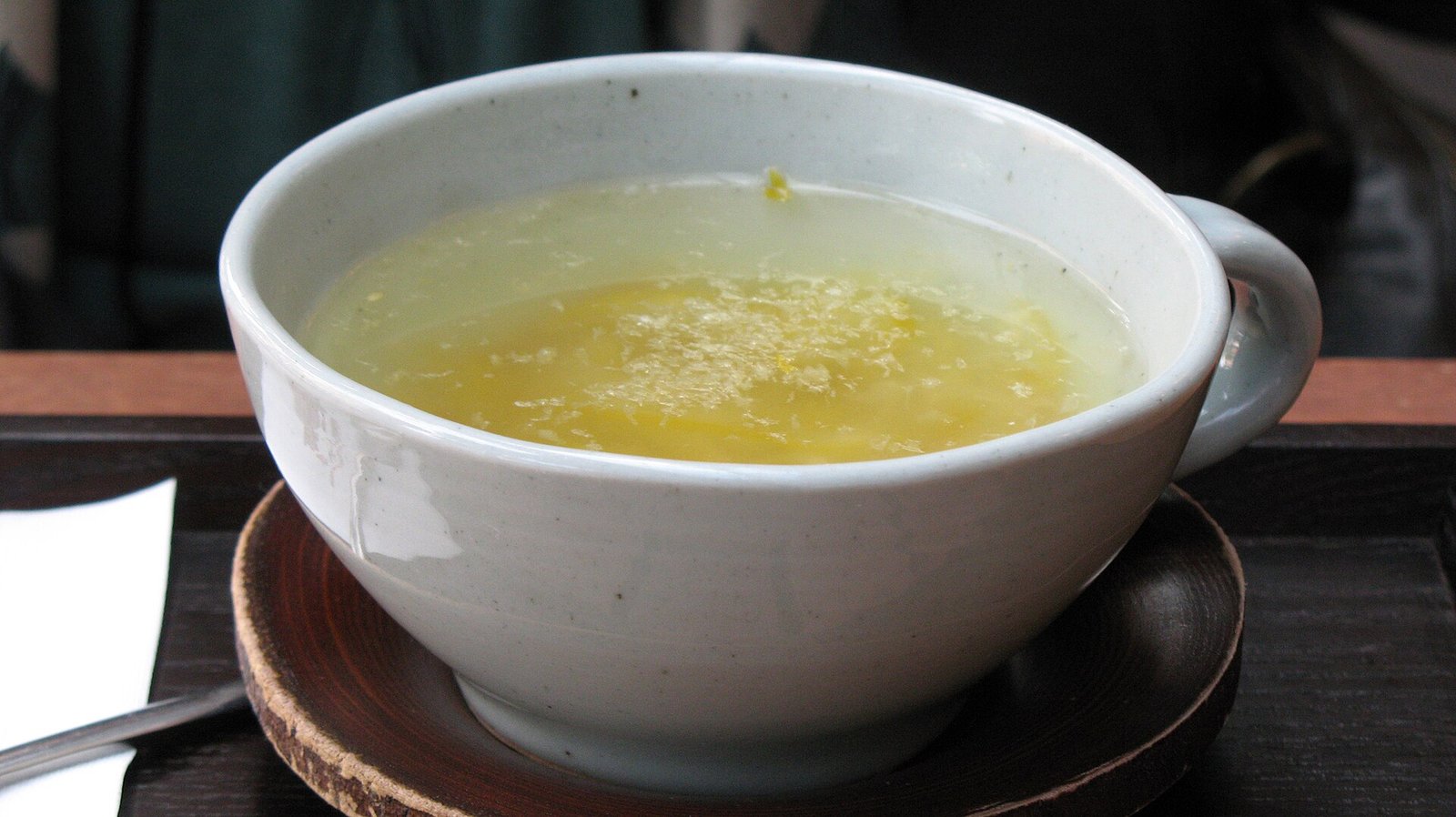
Omija means “five tastes”: sweet, sour, bitter, salty, and pungent. The dried berries are boiled, and the drink is usually mixed with honey. Yuja tea (유자차) is made from yuja, a citrus also called yuzu, preserved in honey or sugar, and you stir a spoonful into hot water.
A jar of yuja tea is a food gift I’d consider. Pack the jar in your checked bag, and check your own country’s food rules first, the same as with supplements.
Yuna’s pick
One drink to try: bottled corn silk tea from a convenience store.
One food trip: Seogwang Tea Garden and the O’Sulloc museum on Jeju.
One gift: a jar of yuja tea, if your customs rules allow it.
Seaweed soup on your birthday
If your trip includes a birthday, you may be offered miyeokguk (미역국), seaweed soup. Korea.net calls it a must-eat dish on birthdays, and it’s meant to remind you of your mother, who gave birth to you. The Korea JoongAng Daily traces the custom to a folk belief that new mothers should eat seaweed, and it’s usually eaten at breakfast.
On a birthday it means something, so I’d say yes if someone offers you a bowl.
Honest take
I’d try a jelly stick once, buy a bottle of corn silk tea at a convenience store, and save the tea fields for a trip that already includes Jeju.
FAQ
Are health functional foods medicine?
No. They are foods with a ministry mark. If you’re thinking of one for a health reason, I’d ask a doctor or pharmacist at home first.
Is barley tea free in restaurants?
It’s commonly served with meals. I wouldn’t count on every restaurant, but you’ll see it often.
Is corn silk tea the same as corn tea?
No. Roasted corn is often mixed into barley tea, while corn silk tea is made from the silk, the fine threads at the top of an ear of corn. In a convenience store, the bottle label says 옥수수수염차, and the word 수염 (silk) is the part that tells them apart.
Seogwang’s hours and the health food mark are the details I’d check close to your trip. If you notice a change, tell me on the Contact page and I’ll update the guide.
Hwaiting!
Yuna
📌 Read next
- Gwangjang Market Food Guide (2026): What to Eat, Hours & Tips: more Korean food to try
- Korean Etiquette for First-Time Visitors: Dos, Don’ts & Tipping: table manners, with the tea
- Korea Tax Refund for Tourists (2026): K-Beauty, Limits & Airport: get the tax back on what you buy
Sources and last check
How I put this guide together: from Korean news on the health functional food mark and the inner beauty market, plus VISITKOREA and Visit Jeju. I also used Korea.net, the Korea JoongAng Daily, the Korea Times, the Korea Herald, and Wikipedia for yuja tea. I checked them on November 1, 2026. The US government pages on bringing goods home, the news piece on checking the health food mark, Wikipedia on yuja tea, and Kwangdong’s bottle sizes come from search previews. Nothing here is health advice. No brand paid to be included, and none reviewed this guide. More on how I research every guide is on the About page.
Last checked: November 1, 2026. Hours and rules change, so please confirm before you go. This is general food and culture information, not medical advice, and this guide isn’t affiliated with any brand or store.
Sources:
- Herald Business: The inner beauty market (September 2026, in Korean)
- Korea JoongAng Daily: Collagen sales at convenience stores (April 2023)
- Ministry of Food and Drug Safety: Health functional food labeling standard, Notice 2026-66 (September 15, 2026, in Korean, checked November 1, 2026)
- Ministry of Food and Drug Safety: Proposed change to the mark (July 1, 2026, in Korean)
- Korea Law Information Center: Health functional food labeling standard, effective January 1, 2028 (in Korean, checked November 1, 2026)
- Food Today: Health functional food mark redesign (2026, in Korean)
- Money Today: Checking health functional foods (September 2023, in Korean)
- US FDA: Personal importation
- US CBP: Know Before You Go (checked November 1, 2026)
- Korea Times: Korean tea (September 2008)
- Korea Herald: Boseong’s tea fields (April 2023)
- VISITKOREA: Seogwang Tea Garden
- Visit Jeju: O’Sulloc Tea Museum
- Korea.net: Miyeokguk (February 2017)
- Korea JoongAng Daily: Birthday broth (June 2003)
- Kurly: Kwangdong corn silk tea 1.5 L (in Korean, checked November 1, 2026)
- Foodspring: Kwangdong corn silk tea 1.5 L listing (in Korean)
- Wikipedia: Yuja tea
Cover image: Roasted barley for barley tea. Photo: Fumikas Sagisavas, CC0, via Wikimedia Commons





Leave a Reply